



GOOD GOOD GOLF LOSES MAJOR SPONSORSHIP DEALS AS CONTROVERSY DEEPENS
Good Good Golf is facing one of the biggest crises in the company’s history after losing major sponsorship opportunities and seeing key business relationships collapse following the backlash over a controversial advertisement.
The rapidly growing golf-media brand has been hit by a series of damaging developments in just a few days, including the termination of its partnership with Callaway, the loss of its planned PGA Tour title sponsorship and the cancellation of the 2026 Big Break x Good Good season.
What began as criticism over a short promotional video has now developed into a much wider business and reputational crisis.
Good Good had been building itself into one of the most recognizable names in modern golf, combining YouTube entertainment with merchandise, sponsorships, television projects and professional golf partnerships.
Now, several of those plans have been thrown into uncertainty.
Callaway cuts ties with Good Good
The most significant development came when Callaway ended its relationship with Good Good, effective immediately.
The decision followed backlash over a promotional advertisement for a co-branded Callaway driver.
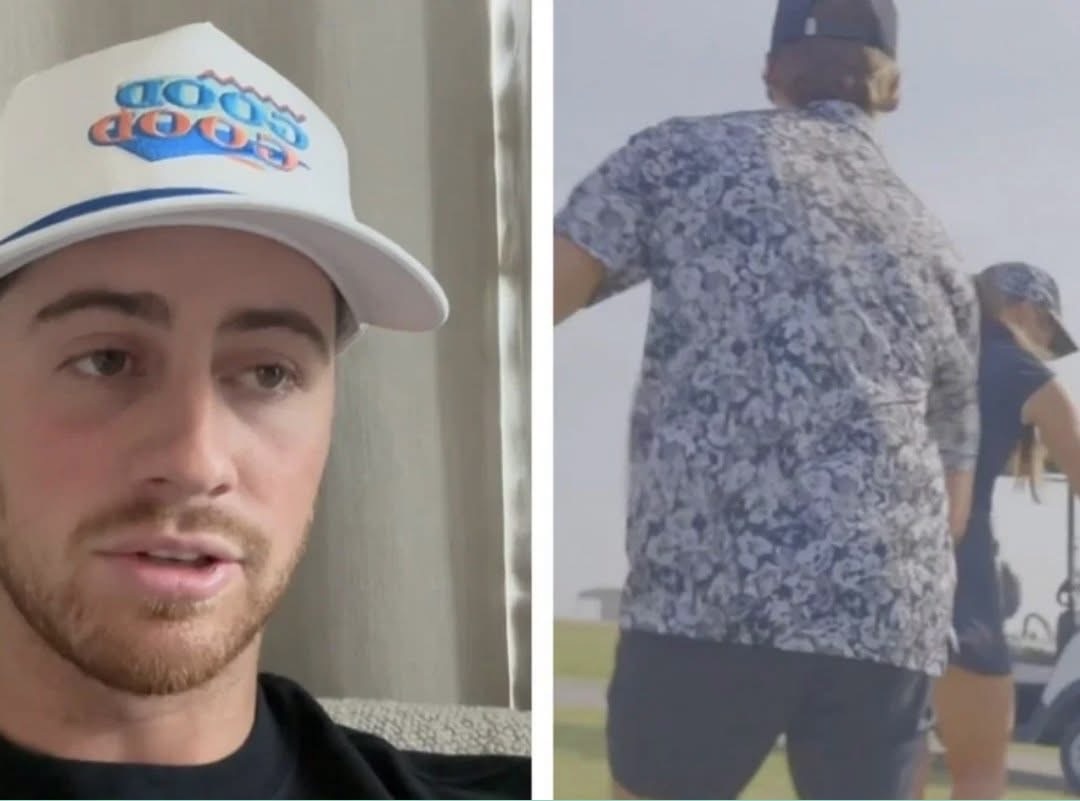
The video featured Good Good co-founder Garrett Clark pushing fellow creator Alexis Miestowski to the ground after she attempted to touch his golf club.
Although the advertisement was reportedly intended to parody the horror film Obsession, many viewers criticized the scene for appearing to trivialize violence against women.
The video was quickly removed, but the controversy continued to grow.
Both Good Good and Clark apologized, but the backlash had already spread far beyond social media.
Callaway subsequently announced that it was ending its partnership with Good Good and acknowledged shortcomings in its own content-review process.
The company also announced a $1 million commitment to organizations working to prevent violence against women and support survivors.
Good Good loses PGA Tour sponsorship
The consequences did not end with Callaway.
Good Good also stepped away from its planned title sponsorship of an upcoming PGA Tour event in Austin, Texas.
The tournament had been intended to carry the Good Good name and represented a major milestone for the digital golf company.
For Good Good, the event was supposed to demonstrate how far the brand had come.
Instead, the company decided to withdraw as sponsor while it focuses on dealing with the fallout internally.
The PGA Tour confirmed that the tournament will continue, with a new sponsorship arrangement expected to be announced.
The decision is another major setback for Good Good’s attempt to establish itself alongside traditional golf organizations.
Golf Channel cancels
Big Break x Good Good
The sponsorship fallout has also affected Good Good’s television ambitions.
Golf Channel had planned to revive its popular Big Break franchise with Good Good as a major partner.
The new season had already been filmed and featured 12 aspiring golfers competing for a significant career opportunity connected to the Good Good Championship.
However, the show was first postponed and has now been shelved for 2026.
Golf Channel plans to bring The Big Break back in 2027.
The cancellation is particularly significant because the show was designed to introduce Good Good’s brand to a broader television audience and further establish the company within mainstream golf.
Instead, the project has become another casualty of the controversy.
Retailers begin distancing themselves
Good Good has also reportedly faced problems with retail partners.
Several major retailers have removed Good Good products from their stores following the controversy.
That development could have a substantial commercial impact.
Good Good is not simply a YouTube channel anymore. The company has expanded into apparel, golf equipment, accessories and other merchandise.
Retail distribution is therefore an important part of its business.
When major retailers begin pulling products, it creates questions about how long the commercial fallout could continue.
It also sends a message to other potential sponsors and business partners that associating with Good Good currently carries reputational risk.
Matt Kendrick pushes back against Callaway
Good Good CEO Matt Kendrick has not remained silent throughout the crisis.
Kendrick has publicly criticized Callaway’s response to the controversy, arguing that the equipment company should not be able to completely distance itself from the advertisement.
Because the video promoted a co-branded product, Kendrick has questioned the extent to which Callaway was involved in the approval process before the advertisement was released.
He accused Callaway of engaging in what he described as a “co-ordinated media blitz” and suggested that the company was attempting to shift responsibility toward Good Good.
Kendrick’s comments have added another layer to an already complicated dispute.
Instead of the controversy being solely about a bad advertisement, the situation has increasingly become a disagreement between former business partners over responsibility, accountability and how the fallout was handled.
Callaway has not publicly accepted Kendrick’s characterization of its response.
Garrett Clark apologizes
Garrett Clark has also addressed the controversy.
The Good Good co-founder apologized for his role in the advertisement and acknowledged that the decision to create the video was a serious mistake.
Clark explained that the concept had been inspired by Obsession, but the explanation did little to ease the criticism.
For many viewers, the central issue was the decision to use physical violence against a woman as part of a commercial promoting a golf product.
The advertisement was only a few seconds long, but the consequences have been enormous.
A brand under pressure
The crisis represents a dramatic change for Good Good.
The company had spent years building a reputation as one of the leading names in online golf content.
Its popularity among younger audiences helped attract major sponsors and business partnerships.
Good Good was increasingly being viewed as a bridge between traditional golf and the rapidly growing world of social-media golf.