







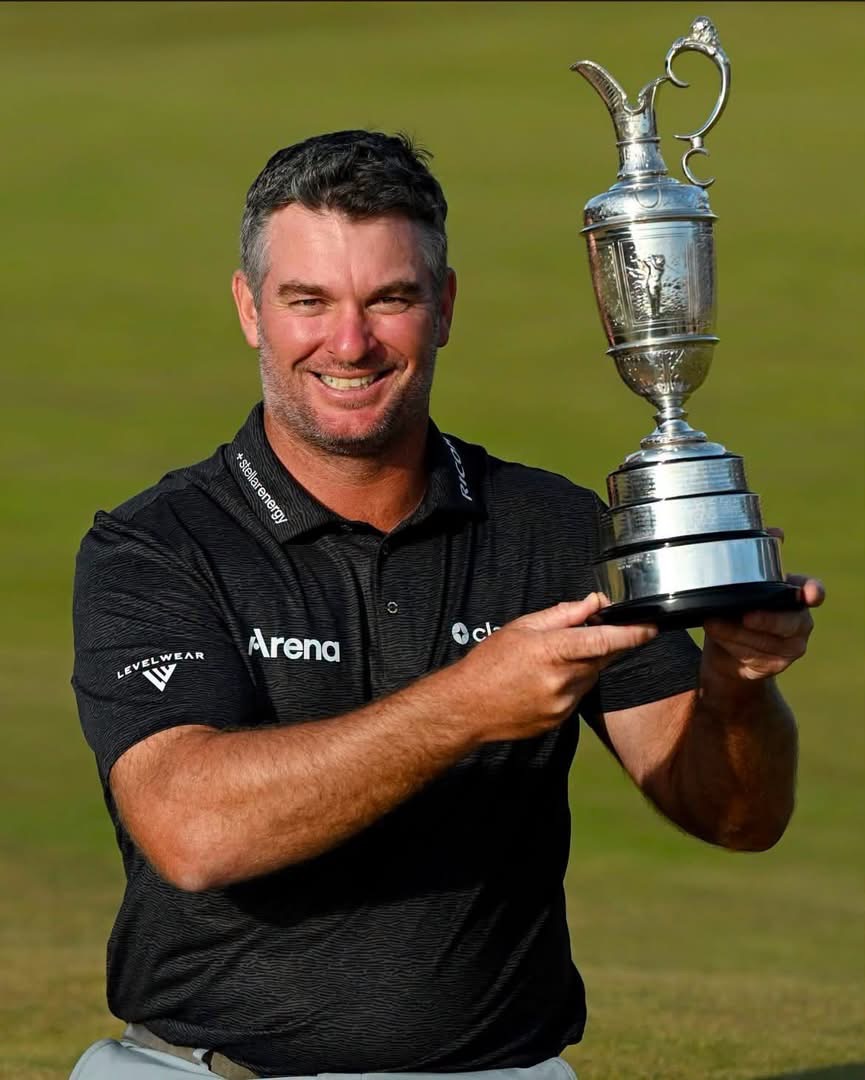
Ryan Fox’s unforgettable triumph at the 2026 Open Championship secured his place in golf history, but the New Zealander’s record payday is expected to be significantly reduced almost as soon as he receives it.
Fox captured the Claret Jug at Royal Birkdale after a composed final-round performance, earning the largest winner’s prize in Open Championship history. The victory marked the first major championship of his career and capped a remarkable week on one of golf’s most demanding links courses.
Along with the iconic trophy, Fox collected the winner’s cheque of approximately $3.2 million. However, the headline figure does not reflect what he is likely to keep after taxes and other customary expenses are taken into account.
Because The Open is staged in the United Kingdom, prize money is generally subject to UK taxation. For top earners, the effective tax bill on tournament winnings can be substantial. Depending on a player’s tax residency, applicable tax treaties, and other financial circumstances, a significant portion of the prize money may be owed in taxes.
In Fox’s case, estimates suggest that nearly $1.1 million of his winnings could be lost to taxes alone. While the exact amount will depend on his personal tax situation and professional financial planning, the figure highlights the reality that a major championship payday is often much smaller than the amount announced on television.
Taxes are not the only deduction players face after a victory. Professional golfers also pay members of their support team. Winning caddies typically receive around 10% of the champion’s prize money, meaning Fox’s caddie could receive a bonus worth hundreds of thousands of dollars. Coaches, managers, agents, physiotherapists, and other members of a player’s team may also receive agreed-upon bonuses following a major victory.
Despite those deductions, Fox’s triumph remains life-changing. Beyond the prize money, winning The Open provides benefits that extend well beyond a single week. He earns a five-year exemption into all four men’s major championships, a long-term exemption into future Open Championships, valuable Official World Golf Ranking points, and invitations to many of the world’s biggest tournaments.
The victory also dramatically boosts Fox’s commercial value. Major champions often secure new sponsorship agreements, appearance fees, endorsement opportunities, and increased global recognition. Those opportunities can generate earnings that far exceed the prize money from the tournament itself.
Fox’s victory was celebrated throughout New Zealand, where he became one of the country’s most successful golfers. His performance at Royal Birkdale demonstrated composure under pressure, with clutch shots over the closing holes helping him separate himself from a world-class field.
While discussions surrounding the tax implications of his prize money have attracted attention, they do little to diminish the significance of his achievement. Winning The Open remains one of the greatest accomplishments in professional golf, and the Claret Jug is a prize that every player dreams of lifting.
Although Fox may surrender a sizeable portion of his winnings through taxes and team payments, he leaves Royal Birkdale with something far more valuable: his name engraved on one of golf’s most prestigious trophies, a place in the sport’s history books, and the status of major champion.
For Ryan Fox, the financial deductions are simply part of the business of professional golf. The memories of winning The Open—and the career opportunities that follow—are likely to outweigh the immediate reduction in his prize money for years to come.