



The battle between the PGA Tour and LIV Golf has taken another significant turn after the PGA Tour introduced strict conditions and substantial financial penalties for former members seeking a return to its competitions.
The decision, announced in January 2026 under a special initiative called the Returning Member Program, created a limited opportunity for some of golf’s biggest names to return to the PGA Tour. However, the opportunity came with significant financial consequences and restrictions that made the decision far from straightforward.
The program was introduced following Brooks Koepka’s decision to leave LIV Golf and pursue a return to the PGA Tour. It was designed to bring some of the sport’s biggest champions back while ensuring that their departure from the traditional tour did not come without consequences.
THE OFFICIAL ELIGIBILITY CONDITIONS
The PGA Tour established specific requirements for players hoping to benefit from the Returning Member Program.
To qualify, players had to have been away from the PGA Tour for at least two years and win at least one of the following major championships or tournaments between 2022 and 2025:
- The Masters Tournament
- The PGA Championship
- The U.S. Open
- The Open Championship
- THE PLAYERS Championship
Only a small group of former PGA Tour members met these performance requirements.
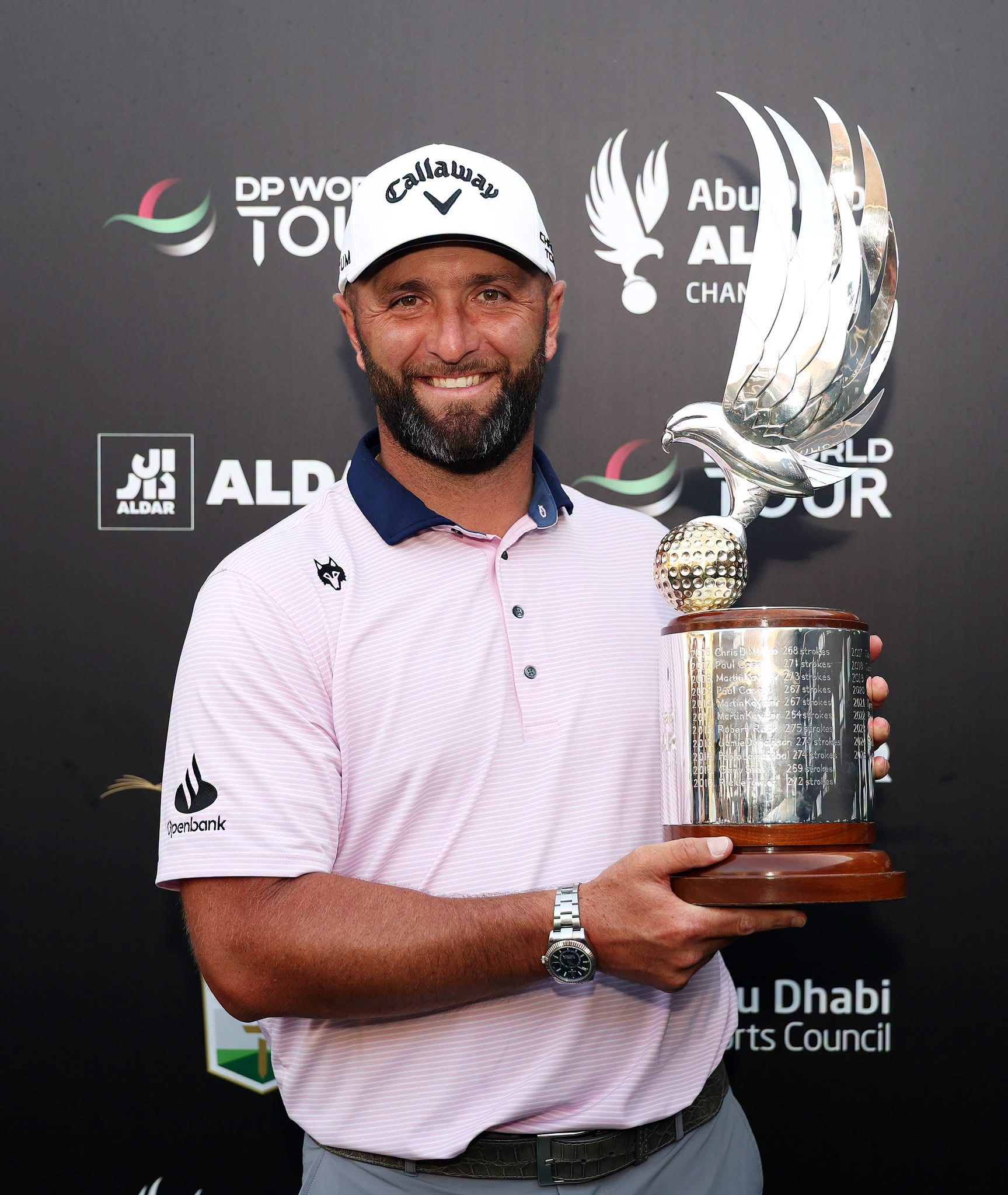
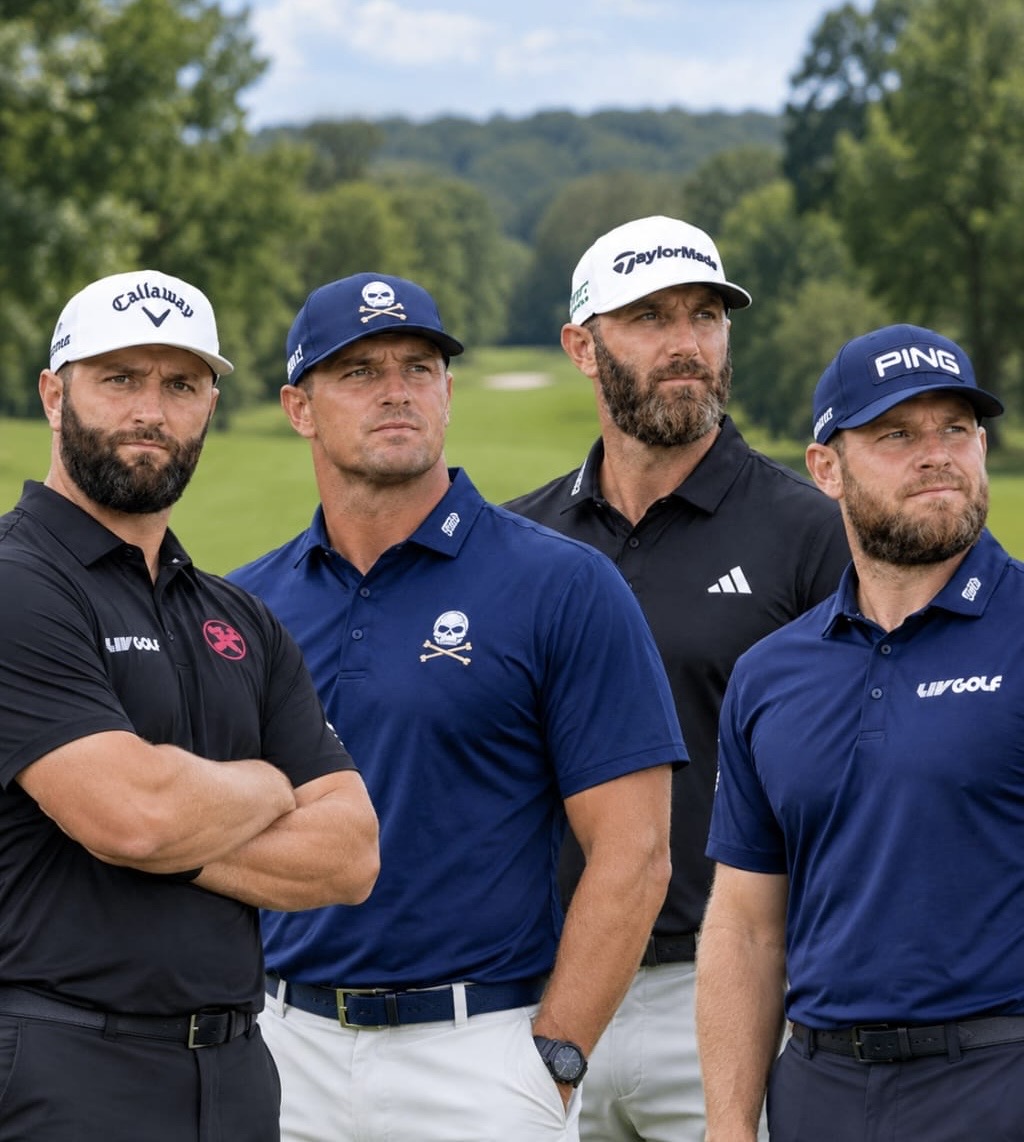
Brooks Koepka, Jon Rahm, Bryson DeChambeau and Cameron Smith were among the eligible players.
However, meeting the requirements did not mean players could return without accepting the financial and competitive restrictions attached to the program.
THE $50 MILLION TO $85 MILLION FINANCIAL CONSEQUENCE
One of the most significant conditions involved the PGA Tour’s Player Equity Program.
Returning players would be ineligible to receive equity grants for five years, covering the 2026 through 2030 seasons.
For Koepka, the potential financial consequences were estimated at approximately $50 million to $85 million, depending on his performance and the future growth of the PGA Tour.
Additionally, returning players would not receive payments from the 2026 FedExCup Bonus Program.
The financial restrictions were intended to ensure that players who had previously benefited from lucrative LIV Golf contracts faced meaningful consequences before rejoining the PGA Tour.
THE ADDITIONAL $5 MILLION CHARITABLE CONTRIBUTION
Another major condition involved a $5 million charitable contribution.
At the request of the PGA Tour, Koepka agreed to make the contribution, with the recipients to be determined jointly.
The payment was separate from the potential equity earnings he would forfeit over the following five years.
Together, these conditions represented a substantial financial commitment for a player seeking to return to the traditional tour.
RESTRICTIONS ON TOURNAMENT PARTICIPATION
The financial consequences were not the only restrictions.
Returning members were required to participate in at least 15 approved PGA Tour tournaments during the 2026 season.
They could use the remaining portion of their existing multi-season winner’s exemption to enter eligible tournaments.
However, they would not receive sponsor exemptions into Signature Events.
Instead, they would have to qualify through existing competitive pathways, including the Aon Next 10, Aon Swing 5, tournament victories and other established eligibility categories.
The PGA Tour also stated that tournament fields would be expanded where necessary to accommodate returning players without taking opportunities away from existing members.
WHY JON RAHM, BRYSON DECHAMBEAU AND CAMERON SMITH DID NOT ACCEPT
Although four players were eligible for the special program, Brooks Koepka was the only one who accepted the conditions and returned through that route.
Jon Rahm, Bryson DeChambeau and Cameron Smith did not take up the offer.
Their decisions attracted considerable attention because all three remain among the most recognizable names associated with LIV Golf.
The financial sacrifices, tournament restrictions and long-term implications of returning under those conditions made the decision particularly significant.
WILL THE PGA TOUR OFFER ANOTHER RETURN OPPORTUNITY?
The situation has since become more complicated.
The original Returning Member Program had a strict application window that closed on February 2, 2026. The PGA Tour also made clear that the initiative was a one-time opportunity and did not guarantee similar arrangements in the future.
In September 2026, PGA Tour CEO Brian Rolapp confirmed that the organization was not currently considering bringing back the Returning Member Program.
He emphasized that meritocracy, accountability and discipline remain important principles of the organization.
This means former LIV Golf players hoping to return cannot simply assume they will receive the same arrangement offered to Koepka.
WHAT DOES THIS MEAN FOR LIV GOLF STARS?
With LIV Golf’s future facing serious uncertainty, the situation has become increasingly important for players who previously left the PGA Tour.
The possibility of returning to traditional professional golf has become a major talking point, particularly for established stars such as Rahm and DeChambeau.
However, the PGA Tour’s position suggests that returning players must be prepared to meet its membership requirements, accept applicable disciplinary consequences and earn their place through competition.
For now, Brooks Koepka’s return remains a significant example of how expensive and complicated a comeback can be.
The bigger question is whether the PGA Tour will eventually introduce another pathway for former LIV Golf stars or continue enforcing its existing rules without offering a special return program.