






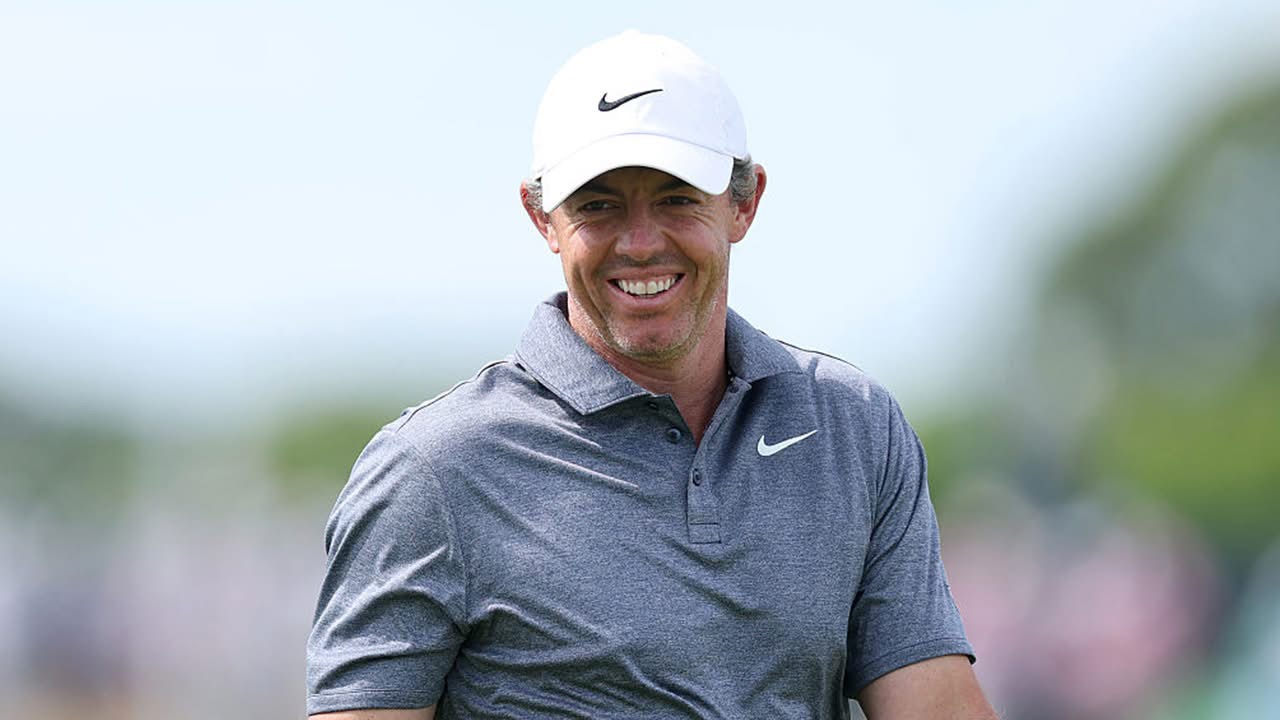
Rory McIlroy has reignited the long-running debate surrounding LIV Golf after delivering a pointed assessment of the value of players who could eventually seek a return to the PGA Tour.
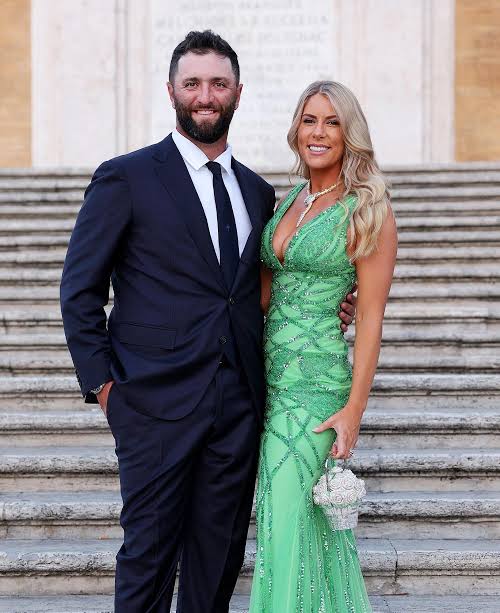
Speaking ahead of the BMW Championship, McIlroy was asked about the possibility of major LIV Golf names such as Jon Rahm and Bryson DeChambeau returning to the PGA Tour as uncertainty continues to surround the future of the Saudi-backed league.
His response was blunt.
McIlroy questioned whether some of the players who left the PGA Tour had actually added enough value to LIV Golf itself, saying: “I would argue, have they brought value to LIV? You know?” He then added that he believes the PGA Tour is currently in a strong position.
The comments immediately attracted attention because McIlroy has been one of the most outspoken critics of LIV Golf since the breakaway circuit emerged in 2022.
McIlroy Questions the Value of LIV Stars
For years, LIV Golf has promoted the presence of some of the biggest names in professional golf as one of its major strengths.
Players including Rahm, DeChambeau, Phil Mickelson and Cameron Smith have competed under the LIV banner, while the league has attempted to position itself as an alternative to the traditional professional golf structure.
However, McIlroy’s latest comments suggest that he does not believe simply having major champions on a competing tour automatically makes them valuable additions to the PGA Tour should they eventually return.
His remarks came at a particularly significant moment.
LIV Golf is facing an uncertain future after Saudi Arabia’s Public Investment Fund confirmed that it would not continue funding the league beyond 2026. LIV has subsequently sought alternative investment as it attempts to establish the next phase of the competition.
That uncertainty has naturally led to speculation about whether some of LIV’s biggest stars could eventually return to the PGA Tour.
A Tough Road Back
McIlroy also warned that any LIV players hoping to return should not expect an easy path.
He described the potential process as a “tough road back,” making it clear that returning players should not assume they would simply walk back into the same position they occupied before leaving.
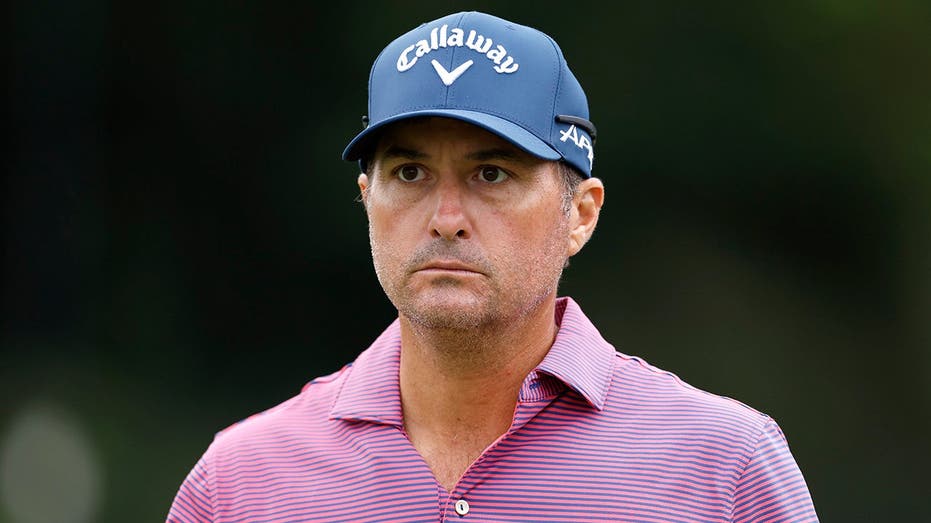
That stance is especially relevant because Brooks Koepka became the most prominent LIV player to return to the PGA Tour through a limited-time Returning Member Program earlier in 2026.
Other major names, including Rahm and DeChambeau, were also eligible under the program but did not return during the available window.
McIlroy’s comments therefore raise an important question for the future of professional golf: if more LIV players decide to return, what conditions should they face?
Scottie Scheffler Offers a Different View
The comments also highlighted a difference in opinion between McIlroy and world No. 1 Scottie Scheffler.
Scheffler acknowledged that LIV still has several elite players and said golfers such as Rahm and DeChambeau could strengthen the PGA Tour if they eventually returned.
While Scheffler has supported consequences for players who left the PGA Tour, his position is more focused on getting the best players competing against each other again.
That contrast demonstrates just how complicated the professional golf landscape remains.
McIlroy appears focused on the consequences of leaving and the value players provide to the tours they represent, while Scheffler has emphasized the competitive benefit of having the world’s best golfers together.
Lee Westwood Pushes Back
McIlroy’s remarks did not go unanswered.
LIV Golf star Lee Westwood criticized the comments and described McIlroy’s position as typical of the Northern Irishman.
Westwood argued that LIV players continue to provide quality and value, pointing to the continued invitations many LIV golfers receive for major events and other prestigious tournaments.
The disagreement illustrates how deeply the LIV-PGA Tour split continues to affect relationships between players.
Even as the sport moves toward a possible new era, disagreements over loyalty, competitive value and the consequences of leaving the PGA Tour remain unresolved.
The Future of Jon Rahm and Bryson DeChambeau
Much of the attention is now focused on players such as Rahm and DeChambeau.
Both are among LIV Golf’s biggest stars, and their futures could have major implications for the league.
If LIV successfully establishes a sustainable model beyond 2026, they could remain central figures in its future.
But if the league’s structure changes dramatically, the possibility of some players reconsidering their options could become increasingly important.
McIlroy’s comments suggest that any return would not necessarily be treated as a simple reunion.
Instead, players could face significant conditions before regaining full access to the PGA Tour.
McIlroy’s Position Has Evolved
Interestingly, McIlroy’s stance has not remained completely unchanged.
Earlier in 2026, he said that bringing LIV players back could be “good business” for the PGA Tour, particularly if the circumstances surrounding LIV changed. He also questioned why a player would not want to return if the goal was to compete at the highest possible level.
His latest comments are therefore less about completely rejecting the idea of LIV players returning and more about challenging the assumption that their return automatically represents a major benefit to the PGA Tour.
That distinction is important.
McIlroy has repeatedly made it clear that he wants professional golf to have the strongest possible competitive structure, but he also believes players should face consequences for decisions that contributed to the sport’s division.
The LIV-PGA Tour Battle Is Far From Over
The professional golf world has spent more than four years dealing with the consequences of LIV Golf’s emergence.
The breakaway league changed the economics of professional golf, attracted major champions with enormous contracts and created a divide that affected tournaments, rankings, Ryder Cup eligibility and relationships between players.
Now, with LIV entering an uncertain period, the debate has entered a new phase.
The question is no longer simply whether LIV can challenge the PGA Tour.
It is whether the players who helped build LIV will eventually want to return to the traditional tour — and whether the PGA Tour will want them back on the same terms.
McIlroy’s latest comments show that the answer will not be straightforward.
For LIV’s biggest names, the possibility of returning may come with difficult negotiations, penalties and questions about their contribution to the game.
For the PGA Tour, meanwhile, the decision could involve balancing competitive strength with the consequences of players who previously chose a different path.
As the 2026 season moves toward its conclusion, the future of several LIV stars remains one of the biggest unresolved stories in professional golf.
And Rory McIlroy has made his position clear: if LIV players eventually decide they want to come back, they should be prepared for a very different reception than the one they might expect.