








The PGA Tour has reportedly taken a major step toward addressing the future of LIV Golf players who may want to return to the traditional circuit, with a new policy expected to provide a clearer but demanding pathway for those seeking a comeback.
The development comes at a significant moment for professional golf. LIV Golf’s future has been the subject of increasing discussion, while several players who previously left the PGA Tour are now facing questions about whether they will remain with the Saudi-backed league.
Since LIV Golf began attracting established stars, the possibility of players eventually returning to the PGA Tour has remained one of the sport’s biggest unresolved issues.
Players who joined LIV Golf made a major career decision. Many accepted lucrative contracts and moved away from the PGA Tour’s traditional schedule, knowing that their decision could affect their eligibility to compete in PGA Tour events.
However, circumstances can change.
With professional golf entering another period of uncertainty, some LIV players may now be considering whether returning to the PGA Tour could be the right move for their careers.
PGA TOUR SETS THE TERMS
The reported new approach would make it clear that players seeking a return cannot simply walk away from LIV Golf and immediately regain their previous position on the PGA Tour.
Instead, returning players would have to go through an established process and satisfy the necessary requirements before being allowed back into regular competition.
That could include meeting eligibility conditions, accepting the PGA Tour’s rules and potentially dealing with consequences arising from their previous departure.
The policy would therefore provide a potential route back while making it clear that returning to the PGA Tour comes with responsibilities.
For players who spent several years competing under LIV Golf, the transition could be complicated.
WHY THE POLICY MATTERS
The issue has become increasingly important because LIV Golf attracted many of the biggest names in professional golf.
Former major champions, Ryder Cup stars and former world No. 1 players all chose to join the breakaway league.
Their departures changed the competitive landscape and created a divide that has affected tournaments, rankings and international team competitions.
A formal return policy could now help determine what happens if those players decide they want to reverse their decisions.
Rather than dealing with every case individually, a defined framework could give both players and the PGA Tour greater clarity.
LIV PLAYERS HAVE A TOUGH CHOICE
For LIV Golf players, the decision to leave would not be straightforward.
LIV has provided guaranteed contracts and a team-based structure that differs significantly from the traditional PGA Tour model.
Some players have also built their identities around their LIV teams and have established themselves as important figures within the league.
Walking away could therefore mean giving up financial security and potentially starting again within the PGA Tour system.
At the same time, the PGA Tour continues to offer access to some of the most prestigious events in professional golf.
That could make a return attractive to players who still want to compete regularly in the traditional environment.
JON RAHM’S SITUATION ATTRACTS ATTENTION
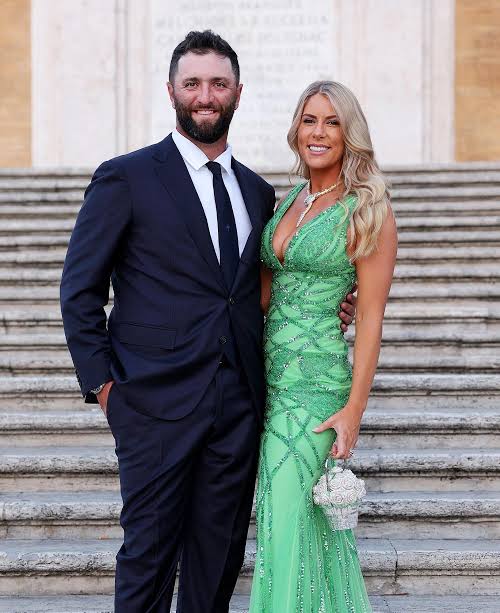
One player whose future would naturally attract enormous attention is Jon Rahm.
The Spaniard shocked the golf world when he joined LIV Golf after winning the Masters in 2023.
Since then, he has become one of the league’s leading players and one of its most recognizable stars.
Rahm’s potential future has repeatedly generated speculation, particularly as questions surrounding LIV Golf’s long-term direction continue.
If Rahm were ever to seek a return to the PGA Tour, his case would likely attract intense scrutiny.
However, speculation about a player’s future should not be confused with an official announcement.
Rahm remains a LIV Golf player unless and until he confirms otherwise.
A POSSIBLE NEW ERA
The reported policy could also be an indication of how professional golf is preparing for the next stage of the sport’s ongoing division.
For years, the rivalry between LIV Golf and the PGA Tour has created uncertainty over player movement.
A structured return system could potentially make the situation easier to manage.
It would allow players to make informed decisions while ensuring that the PGA Tour retains control over its eligibility requirements.
The policy could also become increasingly relevant if negotiations between the different sides of professional golf eventually result in broader cooperation.
WHAT HAPPENS TO PLAYERS WHO LEAVE?
The biggest question for LIV players will be what happens after they decide to leave.
Returning to the PGA Tour could involve a period of adjustment.
Players may have to rebuild their schedules, regain eligibility and potentially work their way back into certain events.
That could be especially challenging for established stars who were previously guaranteed places in major tournaments and high-profile PGA Tour events.
The situation could also affect world ranking opportunities and qualification for international competitions.
For players who still have ambitions of representing their countries, the consequences of their tour affiliation could be particularly important.
PGA TOUR SENDS A STRONG MESSAGE
Ultimately, the reported policy sends a clear message to LIV Golf players considering their options.
The door to a potential return may exist, but walking through it will not necessarily be simple.
Players will have to follow the rules and accept the conditions attached to any comeback.
That could prevent individuals from making impulsive decisions based solely on the current uncertainty surrounding LIV Golf.
Instead, they will have to carefully consider their contracts, eligibility and long-term career objectives.
LIV GOLF FACES ITS OWN CHALLENGE
The development could also place additional pressure on LIV Golf.
The league has spent enormous resources building a roster of elite players and establishing team franchises.
If several prominent players begin looking for a way out, LIV could face questions about its ability to retain its biggest