








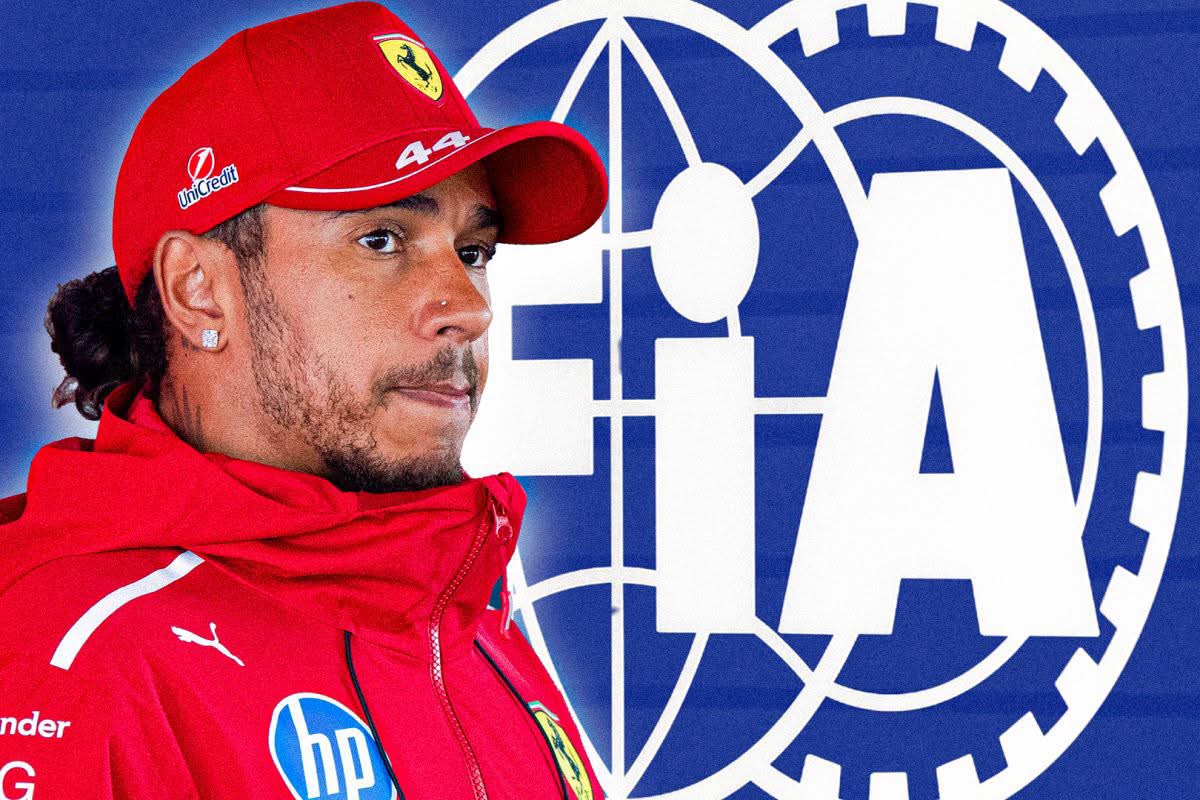
Lewis Hamilton has been fined €30,000, with €10,000 of the penalty suspended, after Formula 1 stewards ruled that his team committed an unsafe release during the pit stop phase of the Grand Prix.
The seven-time world champion was at the center of an incident in the pit lane when he was released into the path of another car, prompting an investigation by race officials. Following a review of video footage, team radio communications, and statements from team representatives, the stewards concluded that the release did not meet the safety standards required under Formula 1’s sporting regulations.
As a result, Hamilton’s team was handed a €30,000 financial penalty, although €10,000 of that amount has been suspended. This means the suspended portion will only become payable if a similar offense is committed within a specified period outlined by the FIA.
What Happened?
The incident occurred during one of Hamilton’s routine pit stops, where mechanics carried out a tire change before releasing the Briton back into the fast-moving pit lane. However, another car was approaching in the pit lane at the same time, forcing evasive action and raising immediate concerns over safety.
Unsafe releases are treated seriously in Formula 1 because of the significant risks they pose to drivers, mechanics, and team personnel. With cars traveling at speed through the pit lane, even a minor misjudgment can result in dangerous collisions.
Race control quickly noted the incident, and the stewards opened an investigation shortly afterward.
FIA Explains the Decision
After reviewing all available evidence, the stewards determined that the release had been unsafe, warranting financial sanctions against the team.
The FIA regularly penalizes teams—not drivers—for unsafe releases, as responsibility lies with the crew and pit wall personnel responsible for determining when it is safe to send a car back into the pit lane.
In this case, officials opted for a mixed financial penalty, imposing €20,000 immediately while suspending the remaining €10,000 as a deterrent against future violations.
Hamilton Escapes Sporting Penalty
Despite the investigation, Hamilton did not receive any sporting penalty that would affect his race result.
Instead, the punishment was directed solely at the team, allowing Hamilton to continue the race without receiving a time penalty or losing championship points.
That distinction is significant, as sporting penalties can dramatically impact a driver’s finishing position and title hopes, whereas financial penalties primarily serve as a warning to teams to tighten their operational procedures.
Why Unsafe Releases Matter
Pit stops have become one of Formula 1’s defining features, with crews capable of changing all four tires in just over two seconds. While speed is essential, teams must balance quick service with safety.
An unsafe release can lead to collisions with other cars, damage to equipment, or even injuries to mechanics working in neighboring pit boxes.
For that reason, the FIA has consistently enforced strict penalties whenever teams fail to ensure a safe release.
Several high-profile teams, including Ferrari, Red Bull, Mercedes, and McLaren, have all faced similar sanctions in recent seasons.
Hamilton’s Weekend Continues
The fine comes during another intense race weekend for Hamilton as he continues his pursuit of strong results in one of the most competitive Formula 1 seasons in recent memory.
Although the penalty will not alter his finishing position, it serves as a reminder that every aspect of race execution—from strategy calls to pit stop timing—can come under scrutiny.
For Hamilton and his team, the focus will now shift to ensuring similar mistakes are avoided in future races as the championship battle continues.
Looking Ahead
With the Formula 1 season entering a crucial phase, every race weekend carries enormous importance. Teams are pushing the limits in search of every possible advantage, but the FIA has made it clear that safety remains non-negotiable.
While the financial penalty is unlikely to have a lasting impact on Hamilton’s campaign, it reinforces the importance of flawless pit lane operations in modern Formula 1.
As the championship fight intensifies, teams will be eager to avoid further penalties that could prove more costly—not only financially but also in terms of valuable championship points.