








Greg Norman Breaks Silence on LIV Golf’s Uncertain Future
Greg Norman has opened up about the uncertain future of LIV Golf, admitting he is deeply disappointed by the direction of the league he helped create.
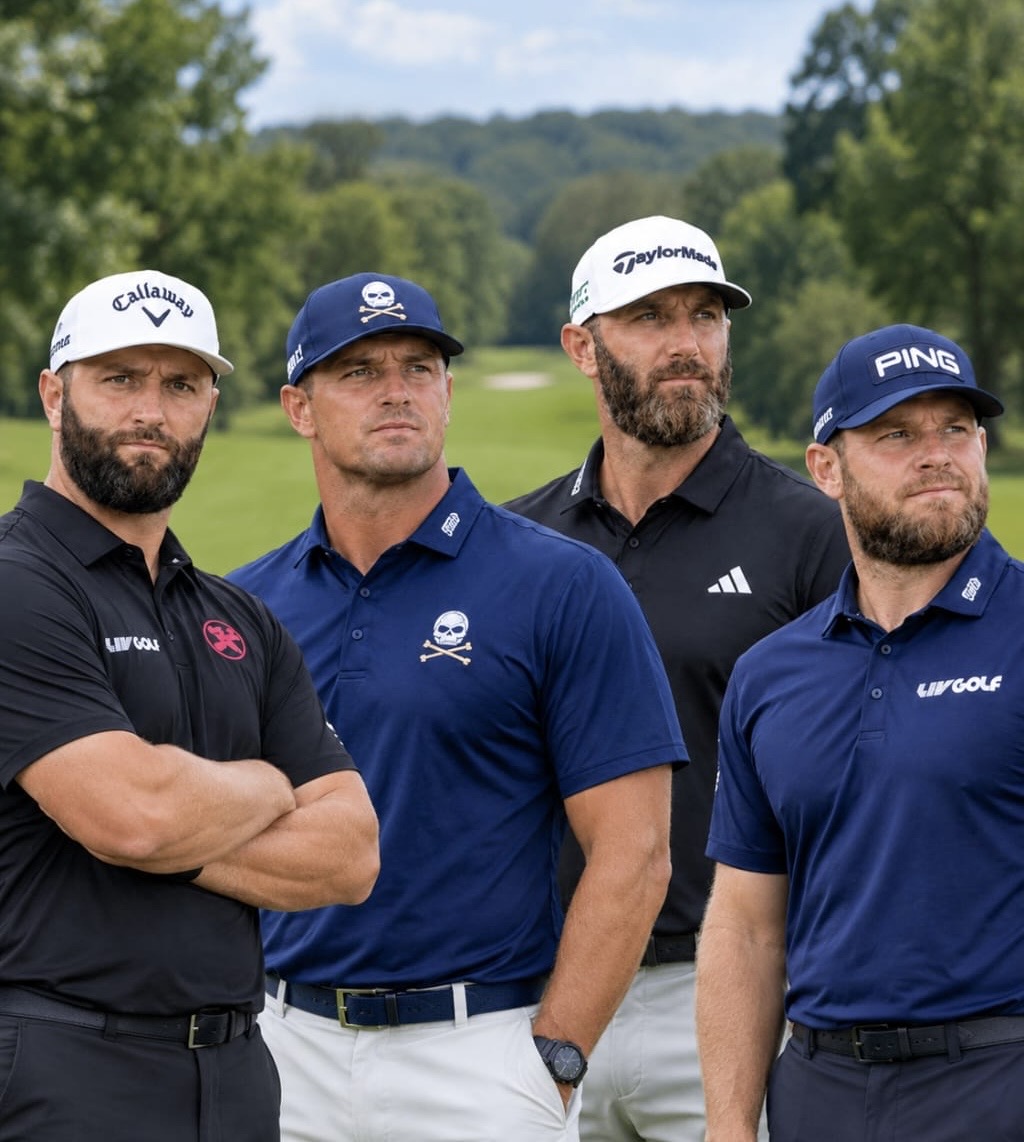
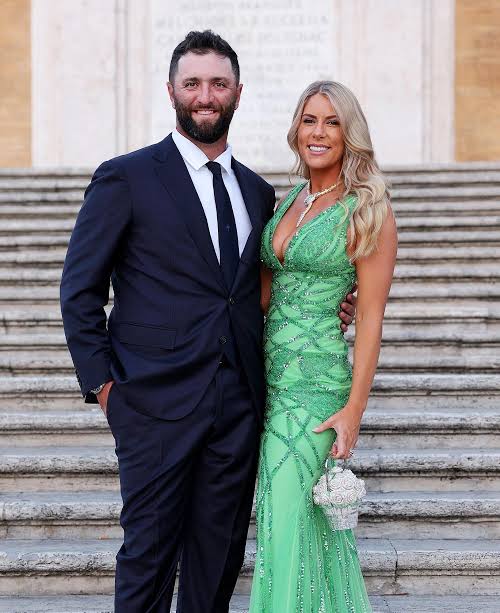
The Australian, who served as LIV Golf’s first CEO, played a major role in launching the breakaway circuit and recruiting stars such as Jon Rahm and Bryson DeChambeau.
However, with Saudi Arabia’s Public Investment Fund preparing to end its financial backing, LIV Golf now faces an uncertain future.
Speaking to Skratch’s Alan Shipnuck, Norman admitted that watching the league struggle has been difficult.
“I’m sad, disappointed, gutted to be honest. I hate to see it wither away. I would rather just see it end.”
Current CEO Scott O’Neil is attempting to secure new investors and create a new version of the league, widely referred to as “LIV 2.0.”
But the future could depend on whether LIV manages to keep its biggest stars.
Norman also reflected on the early days of LIV Golf, describing the people behind the project as “a family” united by a belief that they could change professional golf.
“We were united by the feeling that we were doing something new and exciting for the game of golf.”
After years of disruption and controversy, LIV Golf now stands at a crossroads, with Norman watching from the sidelines as the project he helped build fights for its survival.
LIV changed golf — but at a huge cost
There is little doubt that LIV Golf changed the professional game.
The league forced the PGA Tour to confront a rival with unprecedented financial resources. It also persuaded several major champions and Ryder Cup stars to leave the established tour structure.
Players such as Phil Mickelson, Dustin Johnson, Brooks Koepka, Bryson DeChambeau and Jon Rahm became closely associated with LIV’s attempt to create an alternative ecosystem.
The disruption eventually contributed to negotiations between the PGA Tour and Saudi Arabia’s Public Investment Fund.
But the proposed partnership between the two sides has faced enormous complications, leaving the future structure of professional golf uncertain.
And that uncertainty has also raised questions about LIV itself.
From revolutionary project to uncertain future
LIV Golf’s original pitch was simple: professional golf needed something different.
The league introduced 54-hole tournaments, shotgun starts, team competitions and enormous prize purses. It positioned itself as a younger, more entertaining alternative to traditional professional golf.
Yet its biggest selling point was arguably the money.
Players were offered lucrative signing agreements and substantial tournament purses, allowing LIV to immediately attract established stars.
The problem was creating a sustainable business model capable of supporting those expenses over the long term.
That is where Norman’s latest comments become particularly revealing.
The Australian appears to understand that the league’s future cannot simply be secured by continuing to spend money. LIV needs a sustainable commercial model, stronger audience engagement and financial support capable of carrying it into the next stage.
Norman no longer controls the project
Another important element of the situation is Norman’s changing role.
The Australian is no longer running LIV Golf on a day-to-day basis. Scott O’Neil has taken over as CEO, while Norman has moved away from the leadership position that made him the face of the league.
That transition represents a major change.
Norman spent years defending LIV against criticism from the PGA Tour, golf journalists and fans who questioned its purpose, financial model and long-term prospects.
Now, he is watching the organization from outside its executive structure.
That gives his latest comments added weight.
The man who once presented LIV as the beginning of a new era in professional golf is now acknowledging just how difficult its next chapter could be.
The timing could hardly be more significant
Norman’s comments arrive after LIV completed its 2026 campaign with its Indianapolis event at The Club at Chatham Hills.
The event was officially billed as the league’s season finale, bringing together 57 players for the final tournament of the campaign.
That makes the timing of Norman’s assessment particularly striking.
LIV has survived far longer than many of its early critics expected. It has established recognizable teams, attracted major champions and created a place for itself within professional golf.
But survival and long-term success are not necessarily the same thing.
The next phase could determine whether LIV becomes a permanent part of professional golf or ultimately becomes remembered as one of the most disruptive experiments in the sport’s history.
A complicated legacy for Greg Norman
Whatever happens next, Norman’s legacy will be permanently connected to LIV Golf.
The Australian had already established himself as one of golf’s greatest players before becoming the face of the breakaway league.
His involvement with LIV, however, changed how he will be remembered.
To supporters, Norman was willing to challenge a powerful establishment and push professional golf toward modernization.
To critics, he became the public face of a project that fractured the sport.
Interestingly, Alan Shipnuck’s previous reporting and writing on LIV has repeatedly portrayed the league as part of a much larger battle over money, power and control in professional golf. Shipnuck’s work has emphasized that LIV’s story cannot simply be reduced to Norman’s personal conflict with the PGA Tour.
That may ultimately be the most important point.
What happens next?
LIV’s future now rests with its current leadership and financial backers.
The league has already demonstrated that it can attract elite golfers. The bigger question is whether it can build a sustainable future beyond the enormous spending that helped establish it.
Norman’s brutally honest assessment suggests that even one of LIV’s most important architects recognizes the seriousness of that challenge.
For a man who once stood at the center of golf’s biggest revolution, his willingness to acknowledge the possibility of an ending is perhaps the clearest sign yet that LIV Golf has entered a completely different era.
The fight that began with Norman attempting to disrupt professional golf is no longer simply about defeating the PGA Tour.
It is now about whether LIV itself can survive the changing economics and politics of the sport it helped transform.
And Norman appears to understand that the answer is far from guaranteed.