
Good Good Golf is facing another major setback following the controversy surrounding its now-deleted Callaway advertisement, with a former senior executive filing a lawsuit seeking more than $1 million in damages.
The latest legal development has brought renewed attention to the controversy that rocked the golf entertainment brand in August, raising fresh questions about who was responsible for approving the advertisement and how the company handled the backlash that followed.
Jeffrey Lefkovits, Good Good Golf’s former vice president of brand and marketing, filed a defamation lawsuit against the company and its former CEO, Matt Kendrick, on October 29 in Dallas County District Court in Texas.
According to the lawsuit, Lefkovits believes he was unfairly blamed for the controversial advertisement and that statements made by Kendrick damaged his professional reputation and affected his ability to secure future employment.
The lawsuit seeks monetary damages exceeding $1 million.
HOW THE CONTROVERSIAL CALLAWAY AD STARTED THE CRISIS
The controversy began on August 20 when Good Good Golf released a promotional advertisement for its collaboration with Callaway Golf.
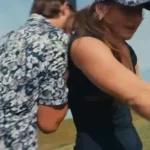
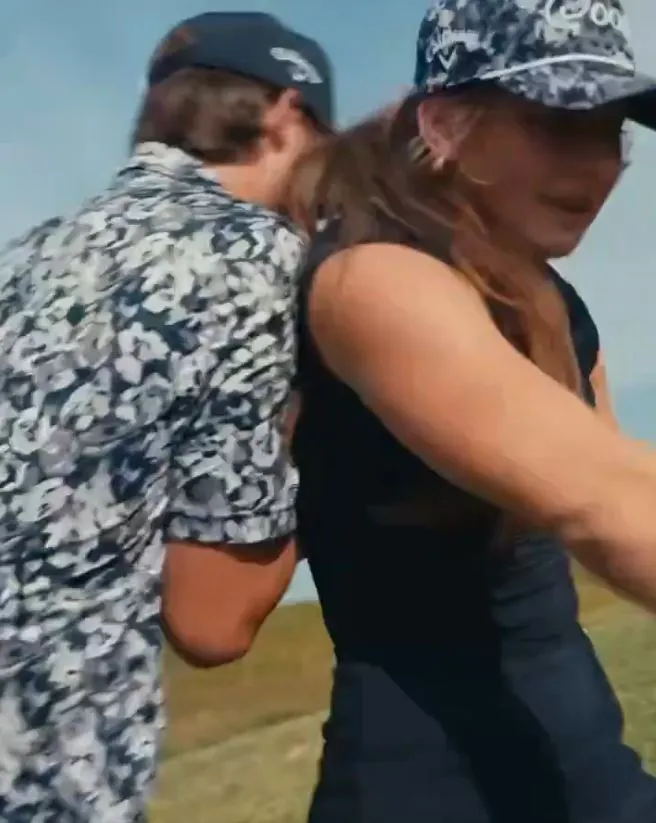
The video featured Good Good co-founder Garrett Clark alongside fellow content creator Alexis Miestowski. In the controversial scene, Clark aggressively shoved Miestowski to the ground after she attempted to reach for his new golf driver.
He then stood over her and delivered the line, “Do not touch my new driver.”
Although the advertisement was reportedly intended as a parody of a horror film, viewers quickly criticised the scene for making light of violence against women.
The reaction was immediate, with golf fans and social media users expressing disappointment over the concept and questioning how such content received approval.
Good Good eventually removed the advertisement and issued an apology. Clark also publicly acknowledged the mistake and apologised for his involvement.
However, the damage to the company’s reputation had already begun.
FORMER EXECUTIVE DENIES APPROVING THE CONTROVERSIAL SCENE
At the centre of the latest lawsuit is the question of who approved the advertisement before its release.
Lefkovits argues that he approved an original parody script that did not contain any physical aggression, pushing or suggestion of domestic violence.
According to his legal complaint, the controversial scene was introduced during filming on August 6, while he was away from the office.
He maintains that he had no knowledge of the additional scene when it was created and did not participate in the decision to include it.
The lawsuit further claims that the original script was presented to Callaway on August 4 and received a positive response.
A later version of the advertisement was reportedly circulated on August 18, with a former Callaway director of content and production responding positively to the edit.
Lefkovits also alleges that Good Good executives and co-founders had opportunities to review the final version before its release.
These allegations form a major part of his argument that responsibility for the controversial scene was wrongly placed on him.
FORMER CEO MATT KENDRICK FACES DEFAMATION ALLEGATIONS
The lawsuit also focuses on comments made by former CEO Matt Kendrick following the public backlash.
In an interview with Front Office Sports on August 28, Kendrick reportedly stated that although he had not personally watched the advertisement before its release, Good Good’s marketing department had reviewed it.
He also indicated that individuals responsible for the advertisement had been removed.
Lefkovits argues that these comments created the impression that he and his marketing team were responsible for approving the controversial scene.
His lawsuit alleges that Kendrick publicly shifted responsibility to his department without properly investigating how the advertisement was developed, filmed and approved.
The complaint also references an internal email Kendrick reportedly sent to employees on August 24, in which he acknowledged that ultimate responsibility rested with him as CEO.
Lefkovits believes the difference between Kendrick’s internal acknowledgement and subsequent public comments contributed to the damage to his professional reputation.
He is now seeking more than $1 million in monetary damages.
It is important to note that these are allegations contained in a lawsuit and have not been established as findings by a court.
CALLAWAY PARTNERSHIP COLLAPSED FOLLOWING THE BACKLASH
The controversy did not affect Good Good Golf alone.
Callaway Golf, which had collaborated with the brand on the promotional campaign, eventually announced that it was ending its business relationship with Good Good.
The equipment manufacturer also acknowledged shortcomings in its internal advertisement review process and said it had taken corrective action.
As part of its response, Callaway pledged $1 million to organisations working to prevent violence against women, support survivors and promote education and awareness.
The decision marked a significant development for Good Good, which had enjoyed a major partnership with the golf equipment manufacturer.
The fallout also extended to the PGA Tour, with Good Good no longer serving as title sponsor of its planned November tournament.
Major retailers, including Dick’s Sporting Goods, Golf Galaxy and PGA Tour Superstore, also removed Good Good merchandise from their shelves.
The lawsuit claims that product sales account for approximately 70 per cent of Good Good’s revenue, highlighting the potential commercial consequences of the controversy.
LEADERSHIP CHANGES ADDED TO GOOD GOOD’S TROUBLES
The company also experienced significant changes within its leadership following the advertisement controversy.
Lefkovits was dismissed from his position on August 26.
Days later, on September 2, Kendrick and former company president Joe Flannery stepped down from their positions.
The departures marked another major moment in the company’s difficult period as it attempted to deal with the consequences of the advertisement.
For a brand that had built a strong following through YouTube content, golf entertainment and merchandise, the controversy became a serious test of its reputation and business relationships.
GOOD GOOD GOLF RESPONDS TO THE NEW LAWSUIT
Despite the latest legal development, Good Good Golf has not publicly provided a detailed response to the allegations.
A company spokesperson told Front Office Sports that the organisation would not comment on ongoing legal matters.
The spokesperson added that the company’s focus remained on creating a positive environment for its players, partners and fans, as well as the future of Good Good Golf.
Kendrick also had not publicly responded to requests for comment at the time of the reporting.
WHAT HAPPENS NEXT?
The lawsuit introduces another complicated chapter in a controversy that has already resulted in lost partnerships, leadership departures and significant public criticism.
While Good Good Golf is attempting to move forward, the legal action could bring further scrutiny to the decisions made behind the scenes before the controversial Callaway advertisement was released.
For Lefkovits, the case is about more than the loss of his former position. He argues that he was made a scapegoat for a decision he did not make and that the public narrative surrounding his involvement has seriously affected his professional future.
The central question now is whether the allegations can be established in court and whether Lefkovits will receive the damages he is seeking.
With the lawsuit seeking more than $1 million, Good Good Golf’s advertising controversy has evolved into a legal battle that could have further consequences for the brand and its former leadership.