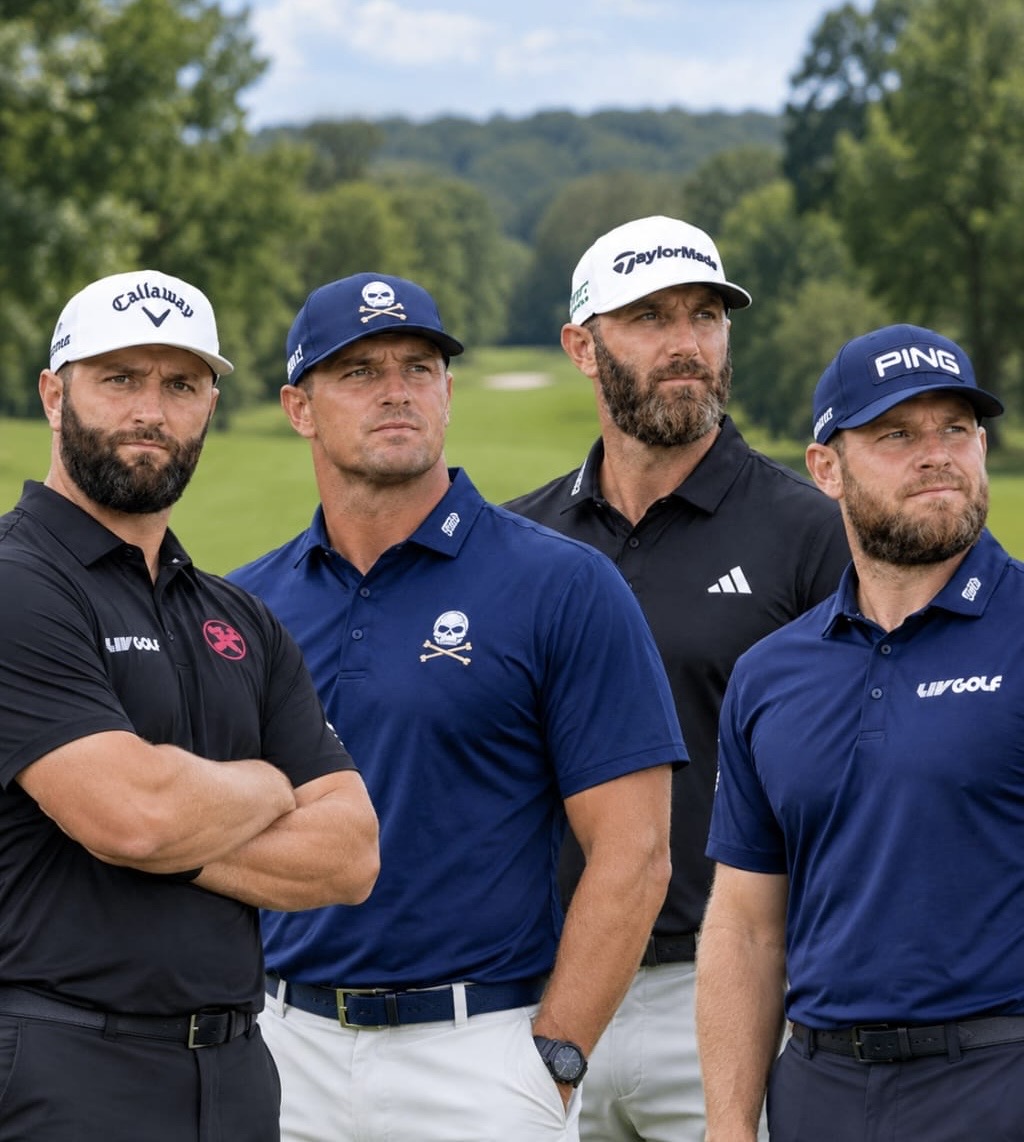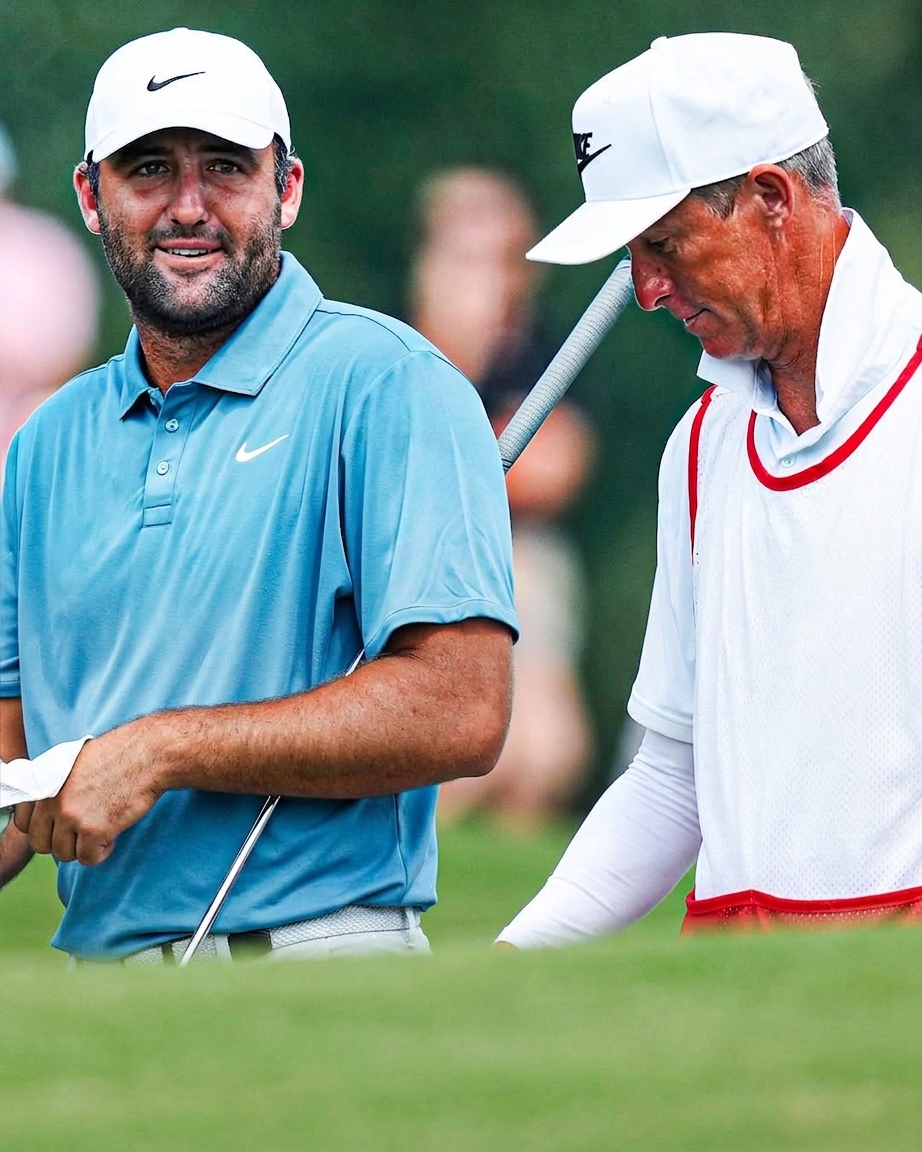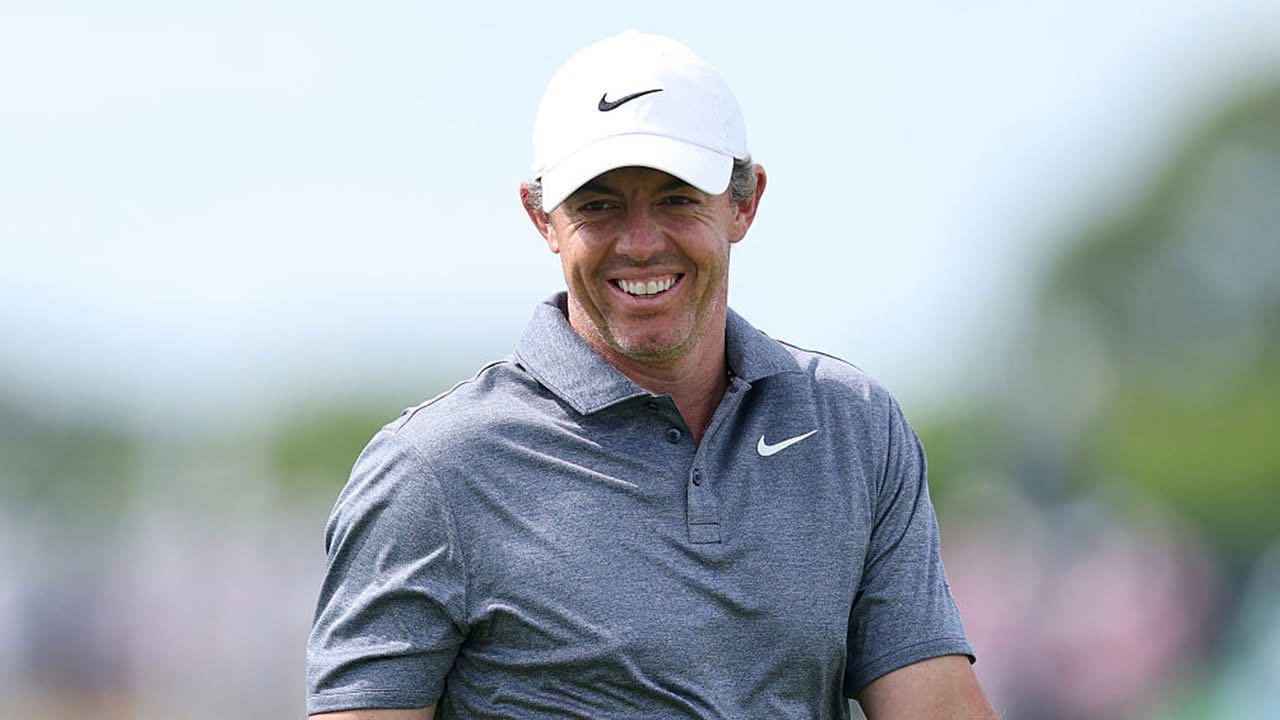



The battle between the PGA Tour and LIV Golf has entered another dramatic chapter, with professional golf facing fresh uncertainty following the collapse of LIV Golf and growing interest among former players in returning to the PGA Tour.
As several LIV Golf stars begin considering their next moves, the PGA Tour has made its position increasingly clear: returning to the American-based circuit will not be an easy process, and players who previously walked away for lucrative LIV contracts should not expect automatic reinstatement.
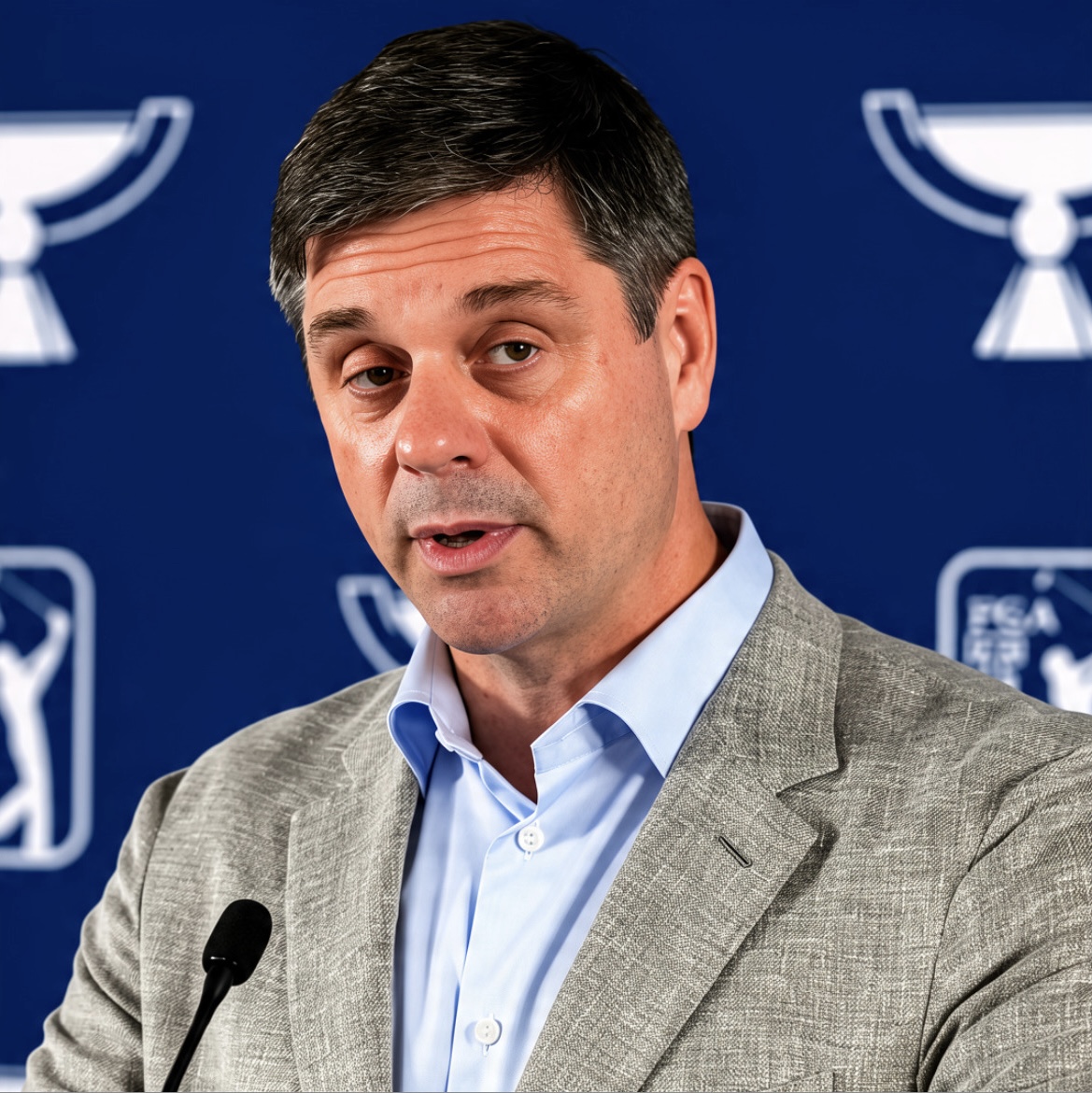
PGA Tour CEO Brian Rolapp has repeatedly emphasized that the organization has no current plans to revive the special Returning Member Program that allowed Brooks Koepka to return earlier in 2026.
The message represents a significant setback for players who may have expected the collapse of LIV Golf to create an easier route back to the PGA Tour.
THE PGA TOUR IS STANDING FIRM ON ITS RULES
The PGA Tour’s position is built around three major principles: meritocracy, fairness and accountability.
Rolapp has explained that every golfer seeking to compete on the PGA Tour must earn their place, regardless of their reputation or previous achievements.
He has also made it clear that the organization cannot simply ignore its rules because a rival golf league is experiencing financial difficulties.
The Tour previously introduced a special Returning Member Program in January 2026, offering selected major champions an opportunity to return under strict financial and competitive conditions.
However, the initiative was designed as a one-time opportunity, and there has been no indication that the PGA Tour intends to offer another similar arrangement.
BROOKS KOEPKA’S RETURN CAME AT A HUGE COST
Brooks Koepka became the first major LIV Golf departure to successfully take advantage of the special returning-member arrangement.
His return came with substantial financial consequences.
Under the agreement, Koepka accepted a five-year forfeiture of potential Player Equity Program benefits, estimated to cost him between $50 million and $85 million depending on future performance and the Tour’s growth.
He also agreed to make a $5 million charitable contribution.
Additionally, he faced restrictions on access to certain major PGA Tour events.
The arrangement demonstrated that even one of golf’s biggest names would have to accept significant sacrifices to return.
JON RAHM RESPONDS TO THE POSSIBLE PENALTIES
Jon Rahm has become one of the most interesting figures in the ongoing situation.
The Spanish golfer recently indicated that he would probably accept penalties similar to those imposed on Koepka if that was what it took to return to the PGA Tour.
However, Rahm also acknowledged that he was uncertain whether he would receive the same opportunity.
His comments have attracted attention because he previously rejected the opportunity to return through the special program.
With LIV Golf’s future now in serious doubt, his next career decision could become one of the biggest stories in professional golf.
Rahm has also indicated that he would consider competing on the DP World Tour in 2027 if necessary, including serving a potential one-year suspension before returning to PGA Tour competition.
WHAT ABOUT BRYSON DECHAMBEAU AND CAMERON SMITH?
Bryson DeChambeau and Cameron Smith are among the other major names whose futures have attracted considerable attention.
Both players were previously eligible for the special Returning Member Program but did not accept its conditions.
With LIV Golf moving towards liquidation, their options are becoming increasingly important.
DeChambeau remains one of the most recognisable personalities in professional golf, while Smith has established himself as a major champion and one of the biggest names associated with LIV.
Neither player has been guaranteed an immediate return to the PGA Tour.
They may have to explore alternative competitive opportunities, including the DP World Tour, while meeting the relevant eligibility and disciplinary requirements.
THE ONE-YEAR SUSPENSION REMAINS A MAJOR OBSTACLE
Another important issue is the disciplinary consequences facing golfers who competed in LIV Golf events without the necessary releases from the PGA Tour.
Former LIV players generally face a one-year suspension from the PGA Tour following their last unauthorised LIV appearance.
This means that leaving LIV does not automatically restore their eligibility.
Players must also demonstrate that they have resolved their contractual obligations and any remaining commitments connected to their previous arrangements.
The PGA Tour has made it clear that these requirements cannot simply be ignored.
LIV GOLF’S COLLAPSE CHANGES EVERYTHING
The situation became even more complicated after LIV Golf’s attempts to secure a financial rescue failed.
Following the withdrawal of Saudi Arabia’s Public Investment Fund and the collapse of a proposed financing arrangement, LIV announced that it would wind down its operations.
The development has left several prominent golfers facing difficult decisions about their professional futures.
Some players may attempt to return to the PGA Tour, while others could pursue opportunities through the DP World Tour or alternative professional circuits.
However, the PGA Tour’s current position suggests that former LIV players should prepare for a challenging reinstatement process.
WHAT HAPPENS NEXT?
The biggest question now is whether the PGA Tour will eventually reconsider its position as more former LIV players seek opportunities to compete again.
For now, there is no confirmed announcement of a new Returning Member Program.
Rahm’s willingness to accept substantial penalties has added another interesting dimension to the discussion, but it does not guarantee that the PGA Tour will offer him a deal.
DeChambeau, Smith and other former LIV stars will also have to determine their next steps.
One thing is becoming increasingly clear: the end of LIV Golf does not automatically mean an easy return to the PGA Tour.
After years of rivalry, enormous contracts and disagreements over the future of professional golf, the next chapter could be just as controversial as the battle that started it all.