





Callaway Golf has found itself at the center of a growing controversy after a promotional advertisement created in collaboration with Good Good Golf showed a woman being aggressively pushed to the ground over a golf driver.
The advertisement, which was released online on August 21 to promote a co-branded Callaway Quantum Driver, quickly attracted criticism after viewers accused the companies of making light of violence against women. The video featured Good Good co-founder Garrett Clark and fellow golf creator Alexis Miestowski.
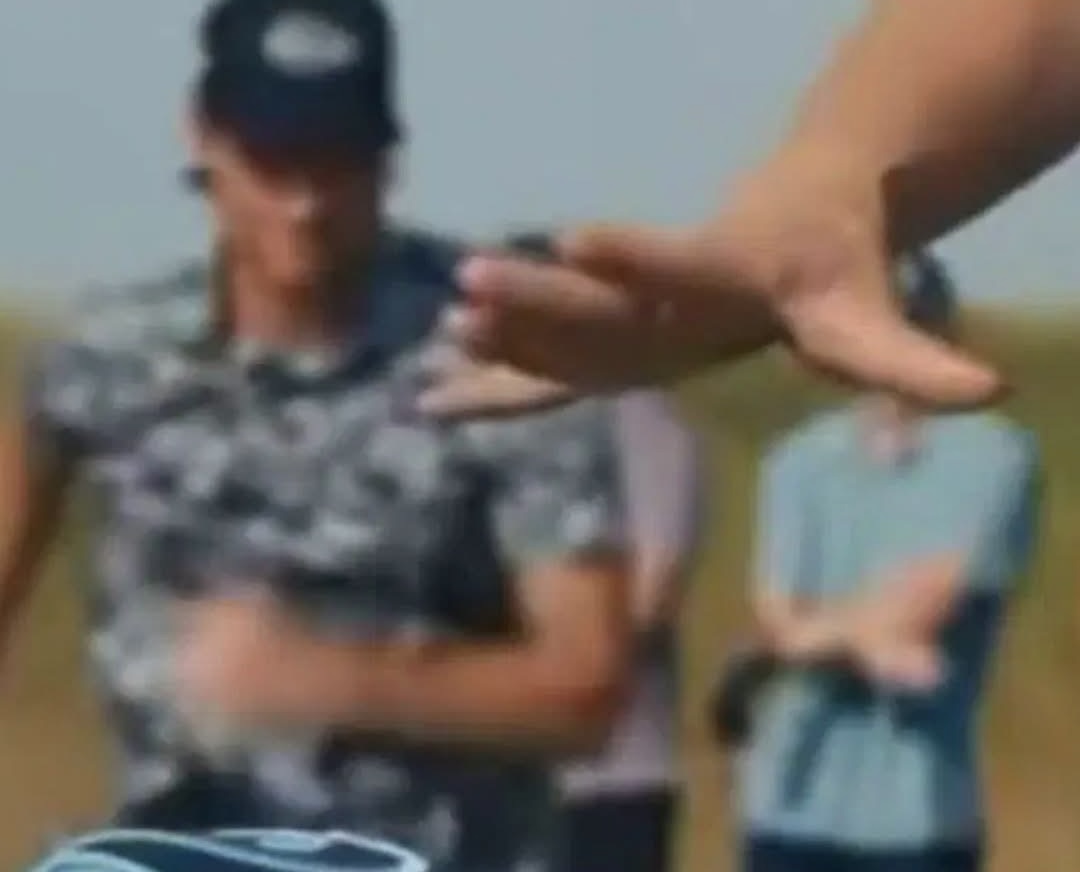
In the advertisement, Miestowski reaches for Clark’s new driver before Clark shoves her to the ground and warns her not to touch the club. Although the scene was scripted, the imagery immediately sparked backlash because of the way the physical confrontation was portrayed.
The video was subsequently removed from social media, but by then it had already circulated widely online.
Callaway CEO apologizes
Callaway CEO Chip Brewer eventually addressed the controversy, acknowledging that the advertisement should never have been approved.
Brewer said Callaway had approved the advertisement before it was published and accepted responsibility for the company’s role in the decision. He apologized for the video and acknowledged that the content did not represent the values the company wanted to promote.
The initial apology, however, did little to stop the criticism.
Many viewers questioned how an advertisement depicting a man physically overpowering a woman could have passed through the approval process at both companies.
The controversy became particularly sensitive because the golf industry has been making a major effort to attract more women and make the sport more inclusive. The National Golf Foundation reported a significant increase in female participation between 2020 and 2025, making the incident even more damaging from a marketing perspective.
Good Good says the concept was misunderstood
Good Good Golf also apologized for the advertisement.
According to the company and its executives, the concept was intended as a parody inspired by the movie “Obsession,” with the exaggerated storyline focusing on a golfer becoming dangerously obsessed with his new driver.
However, the explanation failed to prevent criticism because viewers argued that the context did not change what was actually shown on screen.
Good Good CEO Matt Kendrick acknowledged that the company had made a serious mistake in its creative process, while Clark also publicly expressed regret over his participation in the advertisement.
Clark later described the advertisement as a terrible concept and said he understood why people were upset.
He also pushed back against harassment directed toward Miestowski, emphasizing that she should not be targeted because of her involvement in the staged commercial.
Callaway takes drastic action
The situation took an even more serious turn on August 27 when Callaway announced that it was ending its partnership with Good Good Golf.
The equipment manufacturer said the decision was effective immediately, bringing an end to the relationship following the backlash surrounding the advertisement. Callaway also pledged $1 million to organizations working to combat violence against women.
The decision represents a major blow to Good Good, which has developed into one of the most recognizable golf media brands on YouTube.
The company has built its popularity by combining golf with entertainment, challenges and creator-driven content, attracting a younger audience that might not traditionally have followed professional golf.
But the controversy has now put that reputation under significant pressure.
Retailers and golf media caught in the fallout
The consequences have extended beyond Callaway and Good Good.
Reports indicate that Dick’s Sporting Goods and Golf Galaxy removed Good Good merchandise from their stores following the controversy.
The fallout has also affected television programming. The Golf Channel reportedly delayed the premiere of “Big Break x Good Good,” a program connected to the brand.
Meanwhile, PGA Tour CEO Brian Rolapp publicly expressed concern about the advertisement and criticized the way the situation was initially handled.
Good Good also has connections to the PGA Tour through its involvement with the Good Good Championship in Austin, leaving questions about whether the controversy could affect future plans surrounding the event.
A major lesson for golf marketing
The controversy has highlighted the risks that can come with brands attempting to create viral social-media advertising.
Good Good’s rise has been built largely around fast-paced, personality-driven digital content. That approach has helped the company connect with younger golf fans, but the incident demonstrates how quickly an attempt at edgy humor can turn into a major reputational crisis.
The central issue for critics has not simply been that the advertisement was scripted. Instead, the criticism has focused on the decision to use imagery of a man aggressively pushing a woman to the ground as part of a commercial selling a golf club.
For Callaway, the controversy is particularly significant because the company was not merely associated with the advertisement—it approved the campaign.
That approval has raised questions about the company’s internal review procedures and whether sufficient consideration was given to how the advertisement could be interpreted by audiences.
Callaway has said it is taking the matter seriously and reviewing its processes to prevent a similar situation from happening again.
What happens next?
Good Good Golf now faces the difficult task of rebuilding trust with viewers, retailers, sponsors and the wider golf community.
The company has apologized, Clark has publicly addressed the controversy, and Callaway has taken the extraordinary step of ending its partnership and making a substantial donation to organizations fighting violence against women.
Whether those steps will be enough to repair the damage remains uncertain.
For Good Good, the controversy comes at a particularly important time. The brand had established itself as one of the biggest names in online golf and had helped bring a younger generation of viewers into the sport.
What began as an attempt to create a provocative and memorable advertisement for a new driver has instead become a major public-relations crisis involving one of golf’s biggest equipment manufacturers.
And with Callaway now cutting ties, retailers pulling merchandise and golf media projects being affected, the consequences of the controversial advertisement appear to extend far beyond the original 56-second video.