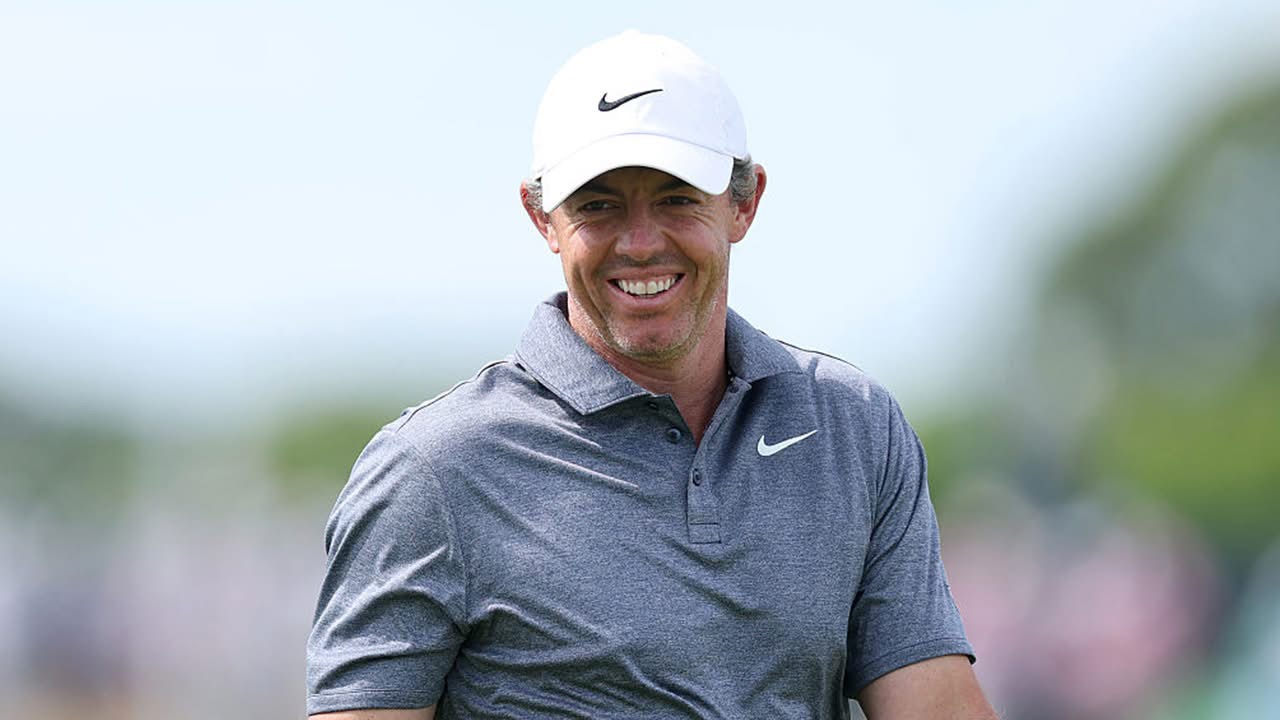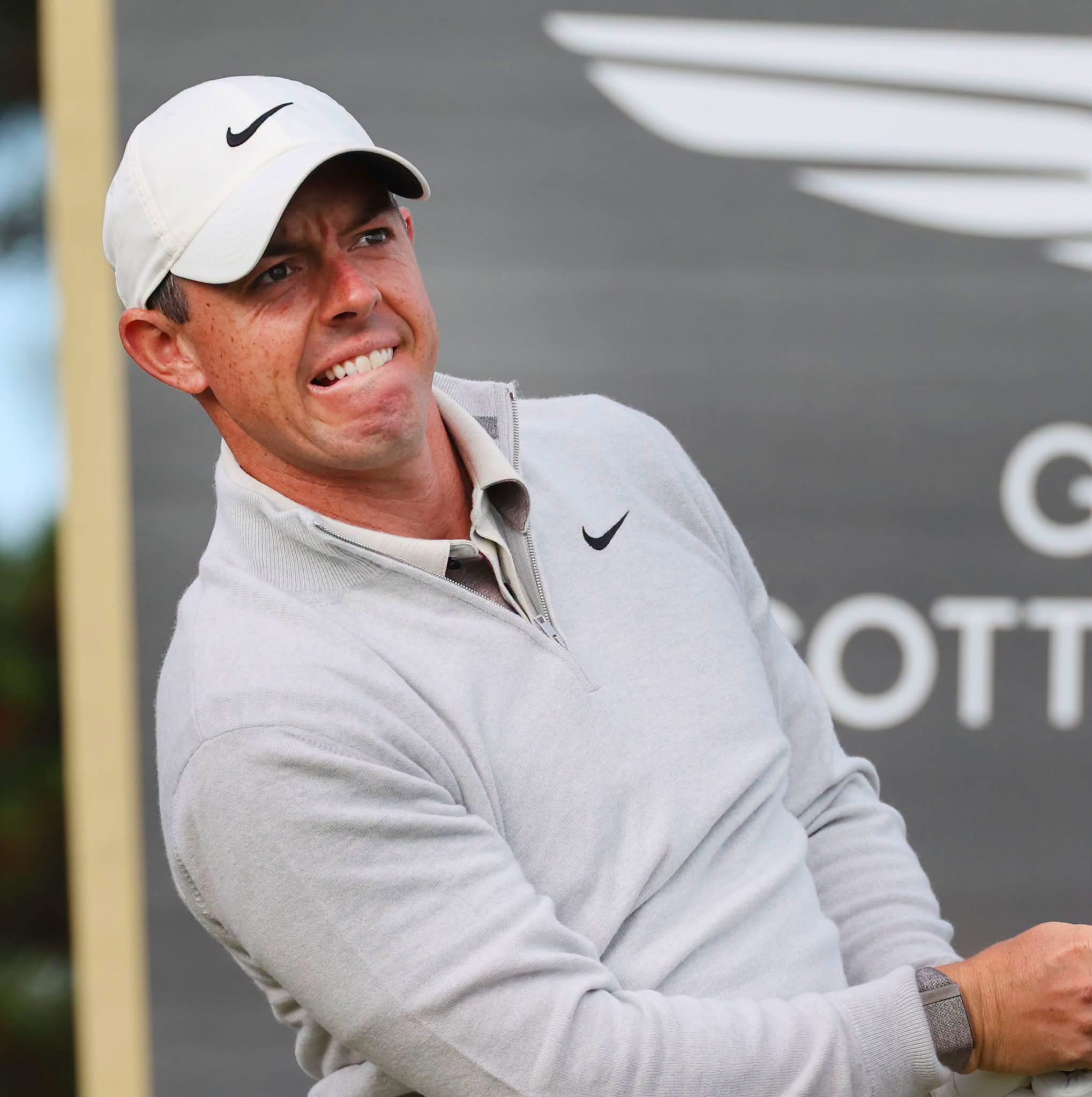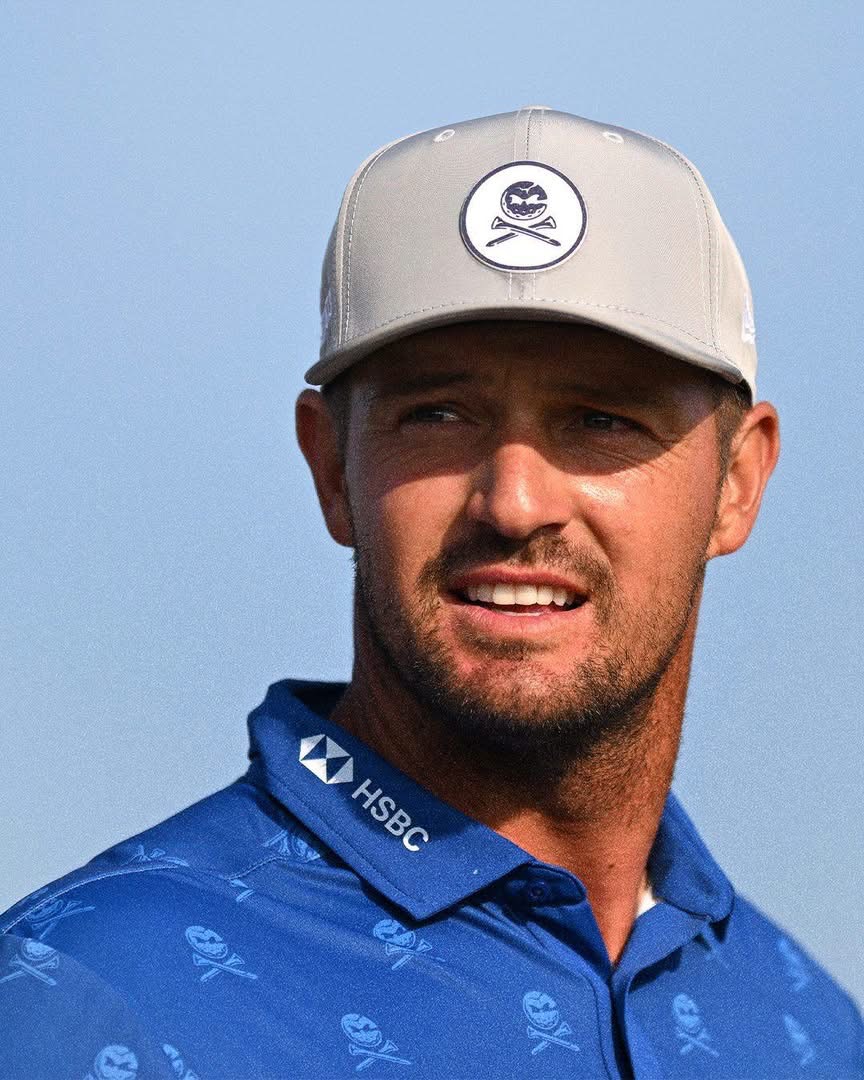








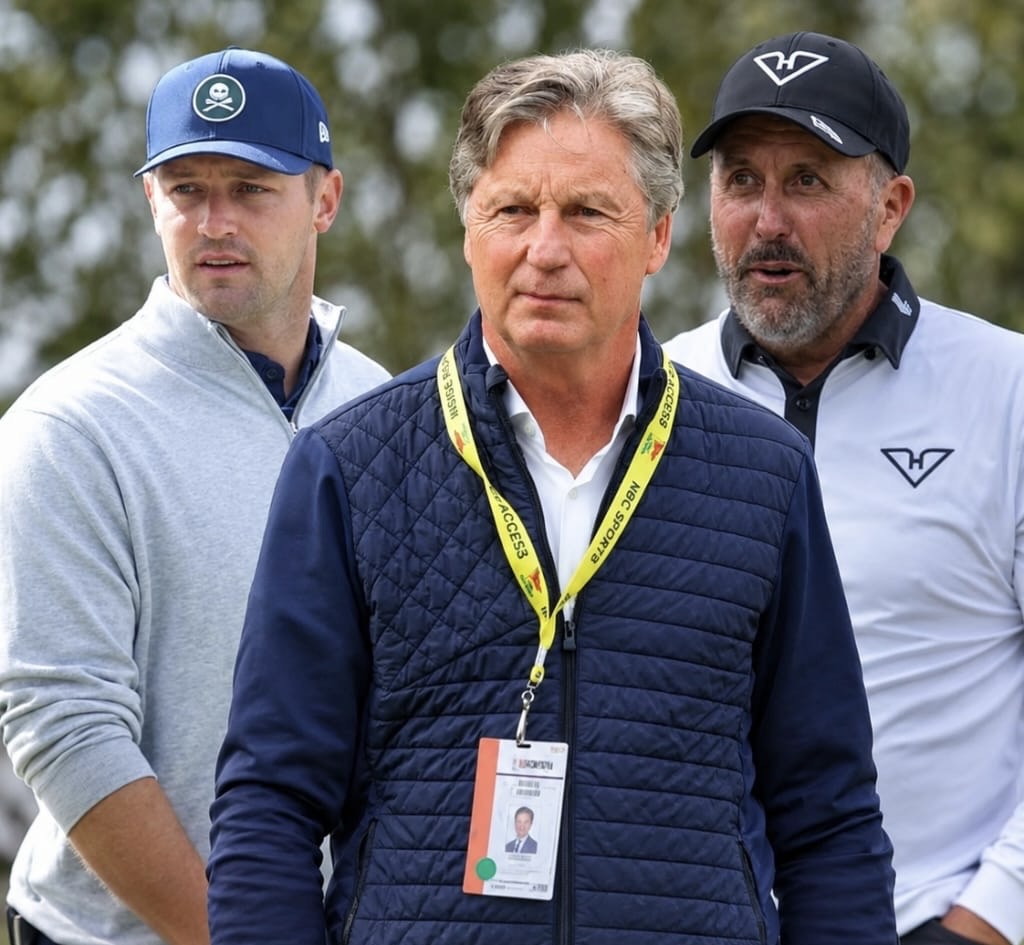
Brandel Chamblee has delivered another fierce assessment of LIV Golf, refusing to hold back after the Saudi-backed league’s financial troubles sent shockwaves through the professional golf world.
The former PGA Tour player and outspoken golf analyst has been one of LIV Golf’s most persistent critics since the breakaway league emerged, and its latest financial crisis has given Chamblee another opportunity to question the project, its funding model and the decisions made by players who joined it.
LIV Golf’s financial collapse has become one of the biggest stories in professional golf, with the league entering bankruptcy proceedings after years of enormous spending aimed at attracting some of the biggest names in the sport.
For Chamblee, the situation represents something much bigger than a business failure.
He argued that Saudi Arabia’s Public Investment Fund backing of LIV Golf, followed by the league’s current financial difficulties, exposed what he believes has been the damage done to professional golf since LIV entered the scene.
Chamblee’s criticism went far beyond LIV’s finances.
He accused the league of introducing what he described as an “evil ethos of corruption and consumption” into the sport, arguing that the enormous sums offered to players fundamentally changed the relationship between golfers, competition and the tours on which they had built their careers.
In Chamblee’s view, players who joined LIV surrendered a level of independence they previously enjoyed.
He argued that golfers who once had complete autonomy over their careers eventually became “a puppet for a regime.”
Those comments reflect the central criticism Chamblee has repeatedly directed at LIV Golf since its creation.
The league attracted players by offering contracts and financial incentives that were difficult for traditional professional golf to match. Some of the sport’s biggest stars eventually made the move, creating a divide that has continued to affect the PGA Tour, LIV Golf and the wider professional game.
Among those who joined LIV were major champions and globally recognized players such as Phil Mickelson, Jon Rahm and Bryson DeChambeau.
Chamblee specifically singled out several of the biggest names connected to the league when discussing who he believes benefited most from LIV’s rise.
He wrote:
“Those who benefitted most from this destruction: Greg Norman, Phil Mickelson, Jon Rahm and Bryson DeChambeau followed by EVERY player that took the money.”
The statement represents one of Chamblee’s strongest attacks yet.
Rather than blaming only the executives behind LIV Golf, he placed responsibility on both the individuals who helped establish the league and the players who accepted its lucrative offers.
For years, LIV supporters have argued that the players were simply exercising their right to choose the best opportunities for themselves and their families.
Many of the golfers who joined the league defended their decisions by pointing to the freedom, financial security and competitive opportunities offered by LIV.
Chamblee, however, has consistently rejected that argument.
His latest comments suggest that he believes the consequences of LIV’s creation have extended beyond individual player contracts and into the structure of professional golf itself.
The analyst also brought the Saudi government’s human-rights record into his criticism.
In particular, he referenced the killing of journalist Jamal Khashoggi, an issue that has been central to criticism of Saudi-backed sports investments around the world.
Critics of LIV have long argued that the Saudi government’s investment in professional sports is part of a broader effort to improve its international image, a concept commonly referred to as sportswashing.
LIV Golf and its supporters have rejected the idea that the league should be defined solely through the politics of its financial backers.
Nevertheless, the issue has remained one of the most controversial aspects of the LIV story.
The financial problems facing LIV have now added another dimension to that debate.
The league was launched with enormous financial backing and spent heavily to attract elite players. Guaranteed contracts, signing payments and prize purses helped LIV establish itself as a serious competitor to the PGA Tour.
But building a rival professional golf league at that scale was always going to require substantial investment.
The latest developments have therefore raised questions about the long-term sustainability of the LIV model and what happens to the players, tournaments and business structure surrounding the league.
For Chamblee, the current situation is evidence that the disruption caused by LIV came at a significant cost to professional golf.
His use of the word “destruction” makes clear just how strongly he views the league’s impact.
The LIV era has undeniably changed professional golf.
Players who once competed together regularly became divided between rival tours. Major championships became some of the few occasions when the sport’s biggest stars could still meet under the same competitive conditions.
The division also created tension between players who stayed with the PGA Tour and those who accepted LIV offers.
At the same time, LIV forced the traditional tours to reconsider how they compensate their biggest stars and how they compete for global audiences.
The PGA Tour responded with changes to player compensation, increased incentives and efforts to strengthen its position in the global golf market.
That means the impact of LIV cannot simply be measured by whether the league succeeds or fails financially.
Its arrival fundamentally changed the business of professional golf.
Chamblee believes that change was overwhelmingly negative.
His latest comments are likely to reignite the debate over whether the players who joined LIV should be viewed as individuals who simply made lucrative career decisions or as participants in a project that contributed to the fragmentation of the sport.
The answer depends heavily on perspective.
For LIV players, the decision was about taking advantage of an unprecedented opportunity.
For critics like Chamblee, the enormous financial rewards came with ethical and sporting consequences that should not be ignored.
That disagreement has existed since LIV Golf was first announced, and the league’s financial difficulties are unlikely to make it disappear.
If anything, they could make the debate even more intense.
The future of several LIV players is also likely to attract increased attention as the league works through its financial restructuring.
Golfers such as DeChambeau, Rahm and other major stars remain among the most recognizable names associated with LIV, and their futures could become an important part of the next chapter of professional golf.
For now, Chamblee has made his position unmistakable.
He believes LIV Golf damaged professional golf, believes the players who accepted its money should share responsibility for that damage and believes the league’s Saudi backing raises serious ethical questions.
His comments are certain to provoke reactions from both sides of the golf divide.
LIV supporters will likely argue that Chamblee has never been willing to acknowledge the league’s positive contributions, while his supporters will see the financial collapse as validation of many of the concerns he raised from the beginning.
Whatever happens next, the LIV Golf story is far from over.
The league’s financial troubles may represent the beginning of a new era rather than the end of the LIV experiment.
And as professional golf continues to deal with the consequences of the split, Chamblee remains one of the loudest voices demanding accountability from the players, executives and organizations that helped create it.