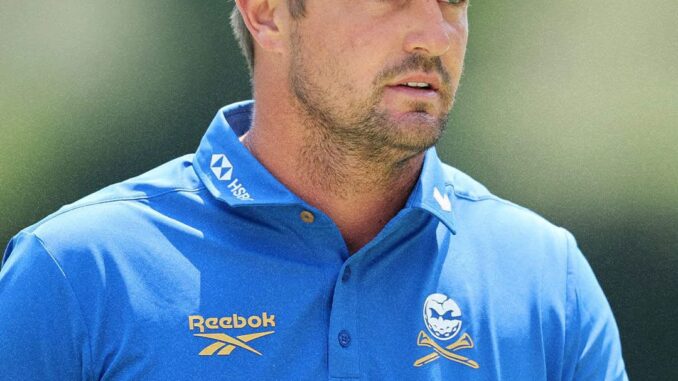
Reports have emerged that Saudi Arabia’s Public Investment Fund (PIF) has officially concluded its direct funding of LIV Golf, marking a major turning point for the controversial league that has reshaped the world of professional golf over the last several years.
Since LIV Golf launched, the PIF served as the driving financial force behind the project, investing billions to establish the circuit as a serious challenger to traditional golf structures. The league attracted global attention through enormous signing bonuses, record-breaking prize purses, and the arrival of some of the sport’s biggest names. Players such as Dustin Johnson, Brooks Koepka, Bryson DeChambeau, Jon Rahm, and Phil Mickelson all became central figures in LIV Golf’s rapid rise.
Now, with reports indicating the PIF has ended its direct funding role, questions immediately turn to what this means for the future of the league. LIV Golf was built on aggressive investment, allowing it to offer massive contracts and maintain one of the richest schedules in sports. Without direct backing, many will wonder whether the organization can sustain its previous spending model or if a new financial structure will now take shape.
The timing is significant because professional golf has been undergoing dramatic changes in recent years. Ongoing discussions involving the PGA Tour, DP World Tour, and LIV Golf created hopes of a more unified future for the sport. However, no final resolution has fully settled the divide. This latest development could either accelerate negotiations or create fresh uncertainty.
Supporters of LIV Golf will argue that the league has already established itself beyond its original startup phase. The team format, shorter events, and global reach helped create a new identity that appealed to a different audience. Several players also credited LIV for changing the economics of golf, forcing other tours to increase purses and improve benefits.
Critics, however, may see the end of direct funding as evidence that the league’s original model was always dependent on outside financial power rather than organic growth. Questions about television audiences, sponsorship strength, and long-term profitability have followed LIV Golf since day one.
For players currently committed to the circuit, the biggest concern will likely be stability. Contract renewals, future prize funds, team ownership structures, and scheduling plans could all become key topics in the months ahead. Some stars may remain fully committed, while others could weigh future opportunities depending on how the league evolves.
There is also the wider impact on global golf. LIV Golf forced the sport into one of the most turbulent eras in modern history. Traditional tours responded with bigger events, no-cut tournaments, bonus pools, and revised qualification systems. Whether praised or criticized, LIV undeniably changed the landscape.
If the reports are accurate, the conclusion of PIF’s direct funding may not signal the end of LIV Golf, but it does represent the end of one chapter. The next phase will reveal whether the league can stand independently, attract sustainable investment, and maintain relevance in a highly competitive sports market.
For now, golf fans around the world will wait for official confirmation and further details, knowing this development could shape the future of the game for years to come.
Leave a Reply