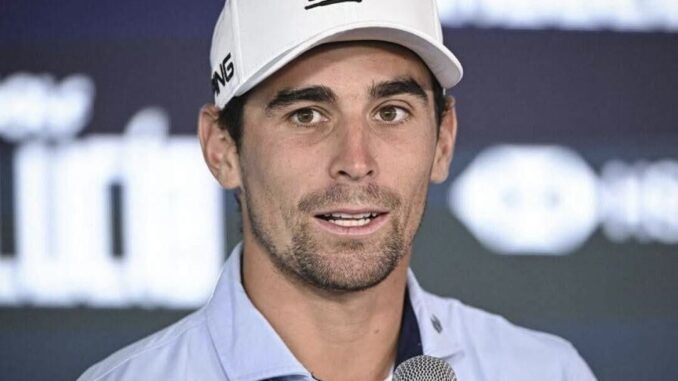
The United States Golf Association is reportedly set to review and potentially introduce significant changes to its player conduct and enforcement procedures following the controversy involving Joaquin Niemann and Jon Rahm during the 2026 U.S. Open. The incidents sparked widespread debate among players, fans, and analysts, with many questioning whether current policies are being applied consistently across the game’s biggest stages.
The controversy began when Niemann became the center of attention after receiving a penalty related to his conduct during the championship. The decision immediately divided opinion throughout the golf world. While some observers agreed with the ruling and argued that the rules were enforced correctly, others believed the punishment was too severe and raised concerns about how similar situations have been handled in the past.
At the same time, discussions intensified around Jon Rahm after several moments during the tournament led to comparisons between the treatment of different players under pressure. Although the circumstances surrounding Rahm differed from Niemann’s, the debate quickly shifted toward a broader question: should golf’s governing bodies do more to ensure consistency when dealing with player behavior and emotional reactions during competition?
The U.S. Open is widely regarded as one of the toughest tests in professional golf. Players compete under immense pressure, knowing that a single mistake can dramatically affect their chances of lifting the trophy. As emotions run high, incidents involving frustration, equipment, and player conduct are not uncommon.
However, the events at Shinnecock Hills generated an unusual level of discussion. Social media platforms were flooded with opinions from fans, former players, and commentators. Many questioned where the line should be drawn between emotional reactions and actions deserving of punishment. Others argued that the governing bodies must provide greater clarity to prevent future confusion.
As criticism and debate continued to grow, attention turned toward the USGA and whether changes could be implemented before future championships. While no official rule changes have been confirmed, there is increasing speculation that tournament officials could review the existing code of conduct and consider adjustments aimed at improving consistency and transparency.
Supporters of reform argue that players deserve a clearer understanding of what behavior may result in penalties. They believe a more detailed framework would reduce controversy and help officials make decisions that are easier for competitors and fans to understand.
Others, however, caution against overreacting to a single tournament. They argue that golf’s rules have stood the test of time and that enforcement decisions will always generate debate, particularly when they involve high-profile players competing on one of the sport’s biggest stages.
Regardless of where opinions fall, the controversy has highlighted the challenges faced by officials responsible for overseeing elite-level competition. Balancing fairness, sportsmanship, and the emotional nature of professional golf is never easy, especially during a major championship where every shot carries enormous significance.
For Niemann, the incident became one of the defining talking points of his week. For Rahm, the discussions surrounding his actions further fueled an already intense debate about consistency in officiating. And for the USGA, the controversy has created renewed pressure to examine whether existing procedures are sufficient for the modern era of professional golf.
The governing body now faces an important decision. Whether it ultimately chooses to revise policies, clarify existing regulations, or maintain the current framework, the events of the 2026 U.S. Open have ensured that player conduct and rule enforcement will remain major topics of conversation throughout the remainder of the season.
As golf continues to evolve, so too will discussions about how the sport should be governed. The Niemann and Rahm controversy may ultimately be remembered not only for what happened at Shinnecock Hills but also for the questions it raised about the future of rule enforcement in professional golf.
With fans demanding answers and players seeking greater clarity, all eyes will now be on the USGA as it considers its next move following one of the most debated U.S. Opens in recent memory.
Leave a Reply