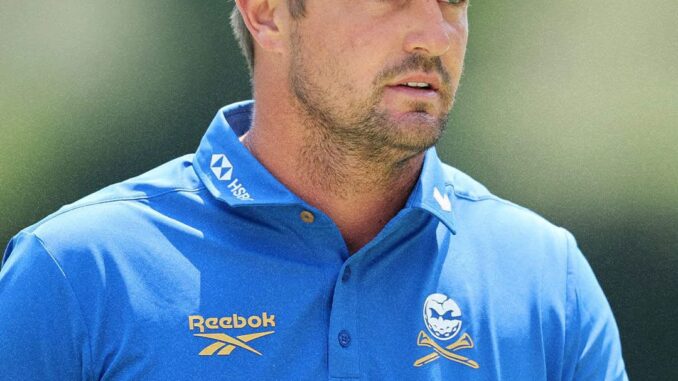
In a development that could reshape the future of professional golf, Saudi Arabia’s Public Investment Fund (PIF) has officially confirmed that its direct funding of LIV Golf will not continue beyond the 2026 season. The announcement marks a pivotal turning point for a league that has relied heavily on state-backed investment since its explosive debut in 2022.
The PIF, led by governor Yasir Al-Rumayyan, has been the financial backbone of LIV Golf, underwriting its rapid rise, lucrative player contracts, and ambitious global expansion strategy. From attracting major champions to staging high-profile events across multiple continents, LIV Golf has operated with a financial model that prioritized disruption over sustainability. That approach is now set to face its biggest test.
A Strategic Shift, Not a Sudden Collapse
While the announcement may sound like an abrupt withdrawal, insiders suggest this is less about abandoning LIV Golf and more about transitioning it toward financial independence. The PIF’s decision reflects a broader strategic recalibration, as the fund looks to diversify its global sports investments while encouraging LIV to establish a viable, self-sustaining business model.
Since its inception, LIV Golf has been both praised and criticized. Supporters have pointed to its innovation—team-based formats, shorter tournaments, and significant prize purses—while critics have questioned its long-term viability and the ethics surrounding its funding. Regardless of perspective, one fact has remained constant: LIV’s growth has been fueled by virtually unlimited capital.
With that safety net now set to expire after 2026, the league must prove it can survive—and thrive—on its own.
What This Means for Players and Contracts
One of the biggest questions surrounding the announcement is how it will affect player contracts. LIV Golf famously lured top names away from traditional tours with massive signing bonuses and guaranteed earnings. Players like Dustin Johnson, Bryson DeChambeau, and Jon Rahm committed to the league under terms that were largely unprecedented in professional golf.
If PIF funding winds down, maintaining those financial commitments could become increasingly difficult unless LIV secures substantial commercial revenue through sponsorships, media rights, and ticket sales. The next two years will likely determine whether LIV can evolve from a funded project into a profitable enterprise.
The Broader Golf Landscape
The timing of the announcement is particularly significant given the ongoing tensions and negotiations between LIV Golf and established tours like the PGA Tour and the DP World Tour. The emergence of LIV disrupted the traditional structure of professional golf, sparking legal battles, player suspensions, and intense debates about the sport’s future.
There had been hopes of a long-term unification agreement that would bring stability to the fractured golf ecosystem. However, PIF’s decision introduces a new layer of uncertainty. If LIV is forced to operate independently without guaranteed funding, it could either accelerate collaboration with existing tours—or deepen the divide if it seeks to compete on a more commercial basis.
Commercial Reality Check
For LIV Golf, the path forward is clear but challenging. The league must now focus on:
- Securing long-term broadcast deals that can generate consistent revenue
- Expanding its global fanbase beyond curiosity-driven viewership
- Building strong sponsorship partnerships to replace PIF backing
- Creating a competitive structure that appeals to both players and traditional golf audiences
Unlike its early years, where financial losses were absorbed without concern, LIV will soon face the same commercial pressures as every other major sports league.
A Defining Two-Year Window
Between
Leave a Reply