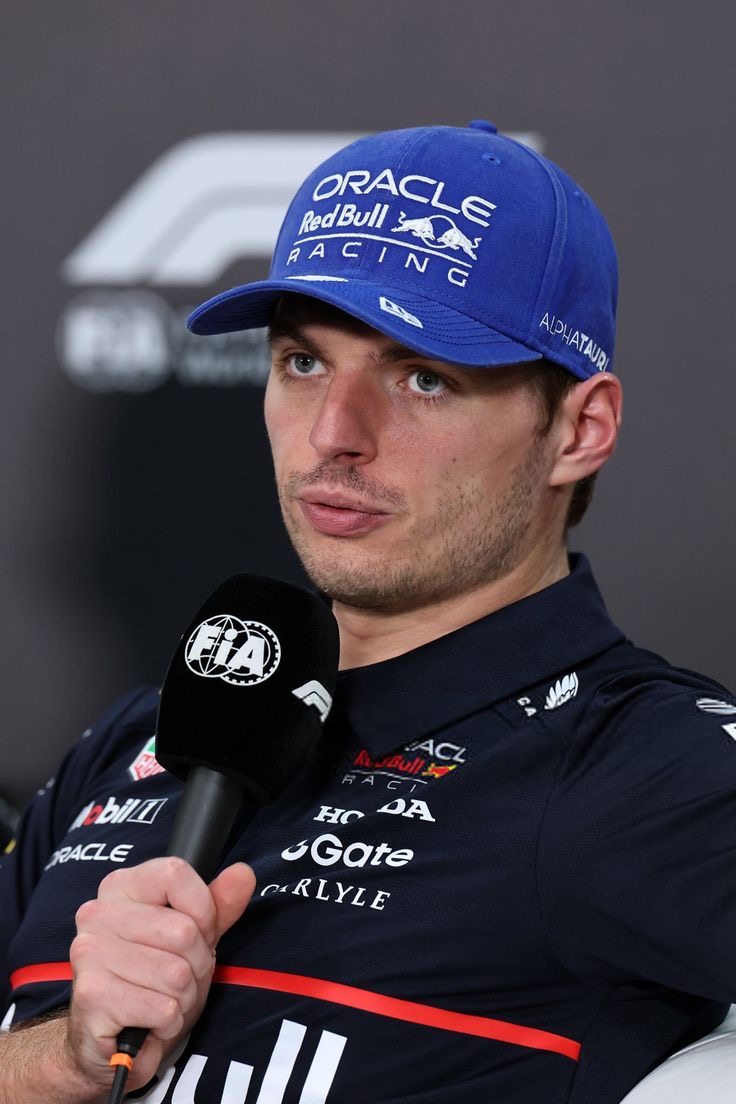
Frustration boiled over for Max Verstappen after a shocking and confusing crash during the Australian Grand Prix weekend, as the reigning Formula 1 champion launched a scathing criticism of the sport’s brand-new 2026 cars. The incident, which unfolded during a high-speed session at the iconic Albert Park Circuit in Melbourne, has sparked intense debate across the paddock and raised early concerns about the direction of the sport under its new regulations.
Verstappen, known for his fierce competitiveness and blunt honesty, did not hide his anger after climbing out of the car following the crash. Speaking to reporters moments later, the Dutch driver described the moment the accident occurred as something he had never experienced in his entire career.
According to Verstappen, the incident happened the instant he applied the brakes entering the corner. Without warning, the rear axle appeared to lock completely, causing the car to spin uncontrollably.
“I honestly don’t understand what happened,” Verstappen admitted. “The moment I touched the brake, the rear just locked. Completely locked. I’ve never had that in my whole career.”
The car instantly rotated, sliding helplessly across the gravel before slamming into the barriers. Fortunately, Verstappen walked away uninjured, but the incident left both him and the team searching for answers.
A Mysterious Mechanical Problem?
Early speculation inside the Red Bull Racing garage suggested that the crash may have been triggered by a malfunction in the braking or downshift system. Engineers immediately began analyzing telemetry data to determine whether a software glitch, brake balance issue, or gearbox misfire caused the sudden rear lock.
With the 2026 regulations introducing a completely new power unit concept and heavier reliance on hybrid technology, some insiders believe the problem may be related to the complex interaction between engine braking, regeneration systems, and gearbox control.
Verstappen himself hinted that the problem could be tied to the new technical systems.
“These cars are extremely complicated now,” he said. “There are so many systems working together when you brake and downshift. If something goes wrong in that chain, you lose control instantly.”
Verstappen’s Brutal Verdict on the 2026 Cars
While the crash itself was alarming, Verstappen’s reaction afterward created even bigger headlines across the Formula 1 world.
The three-time world champion did not hold back when asked about his feelings toward the new generation of cars introduced under the 2026 regulations governed by the Fédération Internationale de l’Automobile.
“They are the worst cars I’ve ever driven,” Verstappen said bluntly.
His criticism centered around the balance, braking behavior, and overall driving feel of the new machines, which combine lighter chassis concepts with dramatically revised hybrid engines and sustainable fuel technology.
For Verstappen, the changes have removed some of the raw driving sensation that made previous Formula 1 cars so enjoyable.
“I just don’t enjoy driving them,” he admitted. “The feeling isn’t right. The braking behavior is strange, the balance changes constantly, and you always feel like something unpredictable can happen.”
Ford Partnership Adds New Pressure
The crash also arrives during a critical moment for Red Bull and their new power-unit project developed alongside Ford Motor Company. The partnership marks a major new chapter for the team as they move away from previous engine suppliers and build their own power unit program.
While there is no evidence yet linking the accident directly to the new engine system, Verstappen’s comments have intensified scrutiny over how the new technology is performing under race conditions.
With teams still adapting to the regulations, reliability concerns remain a major talking point early in the season.
Paddock Reactions
Verstappen’s explosive comments quickly spread throughout the Formula 1 paddock, with drivers, engineers, and analysts debating whether his criticism reflects genuine technical problems or simply the frustration of a rare mistake.
Some drivers privately agreed that the new cars feel unpredictable, particularly under heavy braking zones where the hybrid energy recovery systems interact with mechanical braking.
Others, however, suggested Verstappen’s reaction was simply the natural frustration of a champion unused to losing control of a race car.
Regardless of the interpretation, the incident has undeniably ignited a wider discussion about the future direction of Formula 1.
A Debate About the Future of F1
The 2026 regulations were designed to usher in a new era of sustainability, efficiency, and manufacturer involvement. However, Verstappen’s criticism raises an uncomfortable question for the sport: have the technical changes gone too far?
If the most dominant driver of the current generation is struggling to connect with the cars, it could signal deeper issues that teams and regulators may need to address.
For now, engineers will focus on analyzing Verstappen’s crash data to determine exactly what caused the mysterious rear-axle lock. But the conversation sparked by his comments is likely to continue far beyond the Australian Grand Prix weekend.
One thing is certain: when Max Verstappen speaks his mind, the entire Formula 1 world listens.
And after this dramatic crash in Melbourne, the debate about the sport’s new era has only just begun.
Leave a Reply