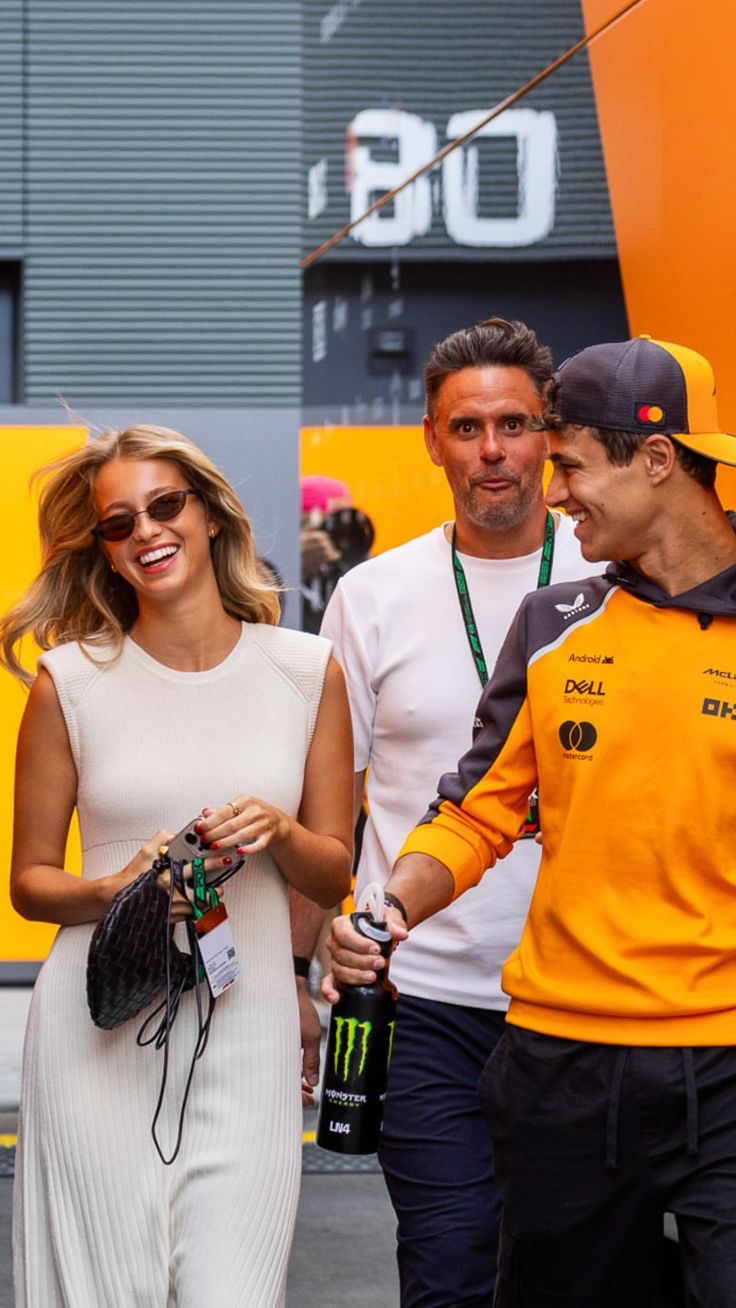





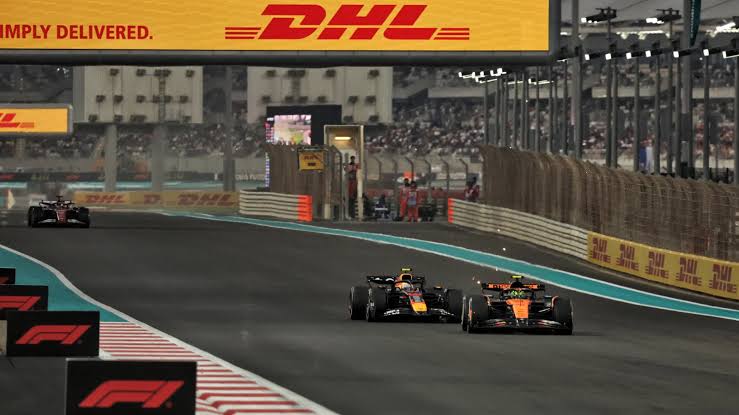
The aftermath of the latest Grand Prix erupted into widespread controversy after the stewards decided not to penalise Lando Norris for an incident that many fans believed deserved firm action. The decision has triggered intense debate across the Formula One community, with supporters and commentators questioning the consistency of officiating and the standards applied throughout the season. As frustration grew online, the stewards released a detailed explanation of how they arrived at their verdict.
According to the official report, the panel examined data from the car’s telemetry, reviewed multiple camera angles and heard statements from the drivers involved. The stewards concluded that although Norris’s manoeuvre was aggressive and forced another car into avoidance, it did not meet the threshold for a formal penalty. They classified the situation as a racing incident, explaining that both drivers contributed to the circumstances and that there was no clear evidence of deliberate or reckless intent.
The stewards added that Norris had made a genuine attempt to remain within the limits of the track while battling for position. They stated that his line choice happened in a phase of the corner where both cars were adjusting for grip loss and tyre wear. The report emphasised that decisions must be based on measurable facts rather than the emotional reaction that often follows on track clashes. They warned that applying penalties without strict evidence would compromise the integrity of racing and push drivers toward overly cautious behaviour.
Despite the explanation, a large portion of fans expressed disappointment and accused officials of favouring certain drivers in high pressure moments. Social media platforms were filled with arguments that the same type of incident has resulted in penalties for other racers earlier in the season. Viewers referenced previous stewarding calls that were handled more strictly and demanded greater transparency in how these rulings are made. Many insisted that the lack of penalty set a dangerous precedent that could encourage harsher defensive driving in the future.
Several former drivers and analysts also weighed in. Some supported the stewards and argued that Formula One needs to allow hard racing without fear of constant sanctions. They pointed out that wheel to wheel battles are at the core of the sport and that drivers must have space to take calculated risks. Others disagreed and maintained that Norris moved too late, leaving the other car with insufficient room and no option other than evasive action. According to them, failing to penalise such moves undermines the consistency that teams rely on when planning race strategies.
The incident has revived a broader conversation about how stewarding decisions are made and whether the current system provides enough clarity for teams and fans. With every Grand Prix scrutinised under a global spotlight, even small inconsistencies create large waves of criticism. The debate has intensified calls for more defined guidelines and for stewards to publish detailed reasoning after major decisions.
For now, the ruling stands and Norris keeps his position and race result intact. However, the controversy is unlikely to fade quickly. As the championship battle tightens and emotions run high, every decision will continue to shape the narrative of the season. The pressure on stewards to deliver consistent and transparent rulings has never been higher, and this latest episode shows just how divided the Formula One world can become when a single moment goes the way fans did not expect.