




With the championship on the line and tension rising across the paddock, the FIA has released an unexpected statement addressing growing concerns over flexible wing designs — specifically the so-called “mini-DRS” effect seen on McLaren’s car. The timing could not be more dramatic, coming just days before the decisive Abu Dhabi Grand Prix.
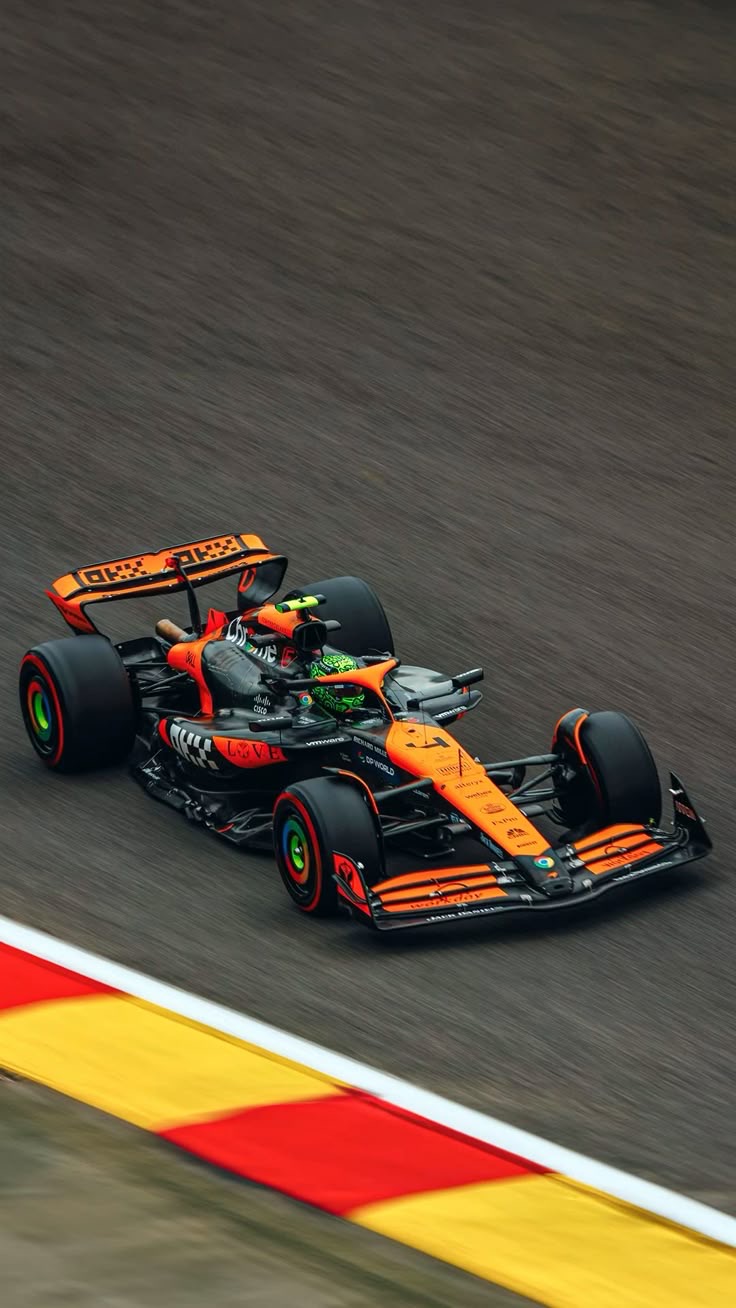
For weeks, slow-motion footage and onboard replays have sparked discussion about McLaren’s rear wing, which appears to change its angle at high speed, reducing drag and giving the car extra straight-line performance. Rivals have privately questioned whether this behaviour sits within the limits of the regulations, prompting the FIA to publicly clarify its stance.
In the new statement, the FIA confirmed that it will intensify scrutiny on both rear and front-wing flexibility throughout the Abu Dhabi weekend. Additional load tests, closer camera monitoring, and stricter pre-race checks will be carried out to ensure all teams remain within the allowable deflection limits. While the governing body did not single out McLaren by name, the reference to “recent observations” leaves little doubt about who is under the spotlight.
The announcement has immediately raised questions about how this late-week intervention could impact the championship battle. If McLaren’s rear wing is found to be operating too close to the edge of the regulations, the team may be forced to run a more rigid and less aggressive wing setup — potentially losing some of the straight-line efficiency that has powered their recent form. Even a small reduction in performance at the season finale can shift the competitive order and alter the outcome of both the Drivers’ and Constructors’ standings.
Beyond performance concerns, the statement also elevates the risk of penalties. Cars failing flexibility checks could face forced modifications, pit-lane starts, or even post-race disqualification — a nightmare scenario for any team fighting for championship points.
Inside the paddock, rivals are cautiously welcoming the clarification, believing that a level playing field is essential heading into a title-deciding weekend. McLaren, however, now faces the delicate task of defending its design philosophy while ensuring complete compliance with tightened checks.
As the final race approaches, the FIA’s intervention adds a new layer of tension to an already high-stakes showdown. All eyes will now be on McLaren’s car during practice, qualifying, and scrutineering — with the smallest detail potentially determining who leaves Abu Dhabi as champion.